Enamel is the hard outer layer of your teeth, and once it wears away it does not grow back. Learning how to protect tooth enamel when brushing comes down to a few simple choices: how hard you press, what you brush with, and when you brush.
This guide covers what wears enamel down, the brushing habits that help, and where a gentle sonic toothbrush fits into a routine that looks after your teeth for the long run.
Why enamel needs looking after
Enamel is the hardest tissue in the human body, but it is not indestructible. Acids from food, drink and plaque bacteria soften its surface, and heavy scrubbing can then wear that softened surface away a little at a time.
Over the years, worn enamel can mean teeth that feel more sensitive to hot and cold, edges that look thinner, and a more yellow tone as the layer underneath shows through. Because the wear is gradual, small daily habits make a real difference.
What wears enamel down
Some of these come from what you eat and drink, and some come from the way you brush:
- Acidic food and drink. Citrus, soft drinks, sports drinks, wine and vinegar can soften enamel for a while after you have them. A glass of water afterwards helps.
- Frequent sugary snacks. Plaque bacteria feed on sugar and produce acid. Grazing all day gives teeth less time to recover between acid attacks.
- Brushing too hard. Heavy pressure and hard bristles wear enamel and can push gums back over time.
- Grinding and clenching. Often happens during sleep. If you wake with a tight jaw, ask your dentist whether a night guard would help.
- Dry mouth. Saliva helps neutralise acid. Some medicines reduce it, so sip water through the day and mention it to your dentist.
- Reflux. Stomach acid reaching the mouth is very harsh on teeth. If you have frequent heartburn, talk to your doctor.
How to protect tooth enamel when brushing
These habits matter more than any single product:
- Use a light touch. Hold the brush lightly and guide it slowly from tooth to tooth. With an electric toothbrush, let the movement do the work instead of scrubbing.
- Choose a gentle head. Soft bristles clean well without wearing the surface. If your teeth are sensitive, use a head designed for sensitive teeth.
- Use fluoride toothpaste. Fluoride helps strengthen the enamel you have. After brushing, spit out the excess and avoid rinsing straight away so the fluoride stays in contact with your teeth.
- Time it around acidic food and drink. Enamel is softer just after something acidic. Brush before breakfast, or wait around an hour after juice, fruit or wine, and rinse with water in the meantime.
- Brush for two minutes, twice a day. Two even minutes is enough. Going back over the same spot with extra force does not add protection.
- Replace worn heads. Splayed bristles clean less well and can tempt you to press harder. Swap heads about every three months, or sooner if they look tired. Our guide to the signs it is time to replace your toothbrush head covers what to watch for.
Why a sonic toothbrush suits an enamel friendly routine
A sonic toothbrush moves the bristles very quickly over a short distance, so you rest it lightly against the teeth and guide it rather than scrubbing back and forth. That makes it easier to avoid the heavy pressure that wears enamel.
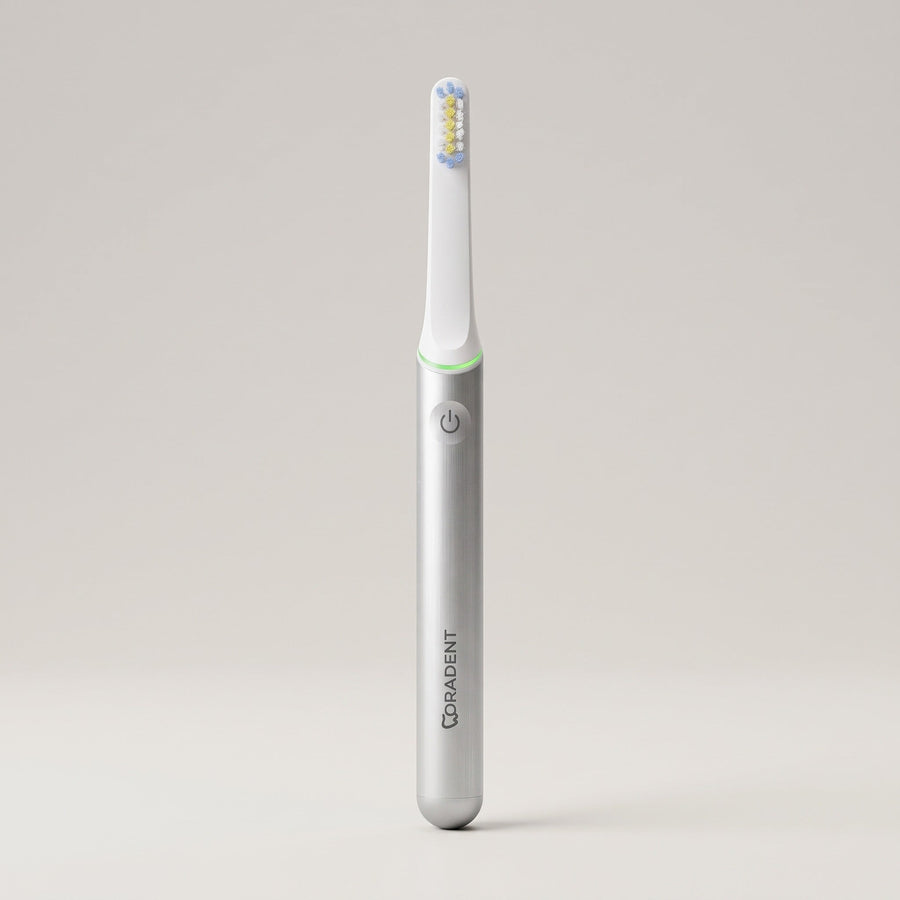
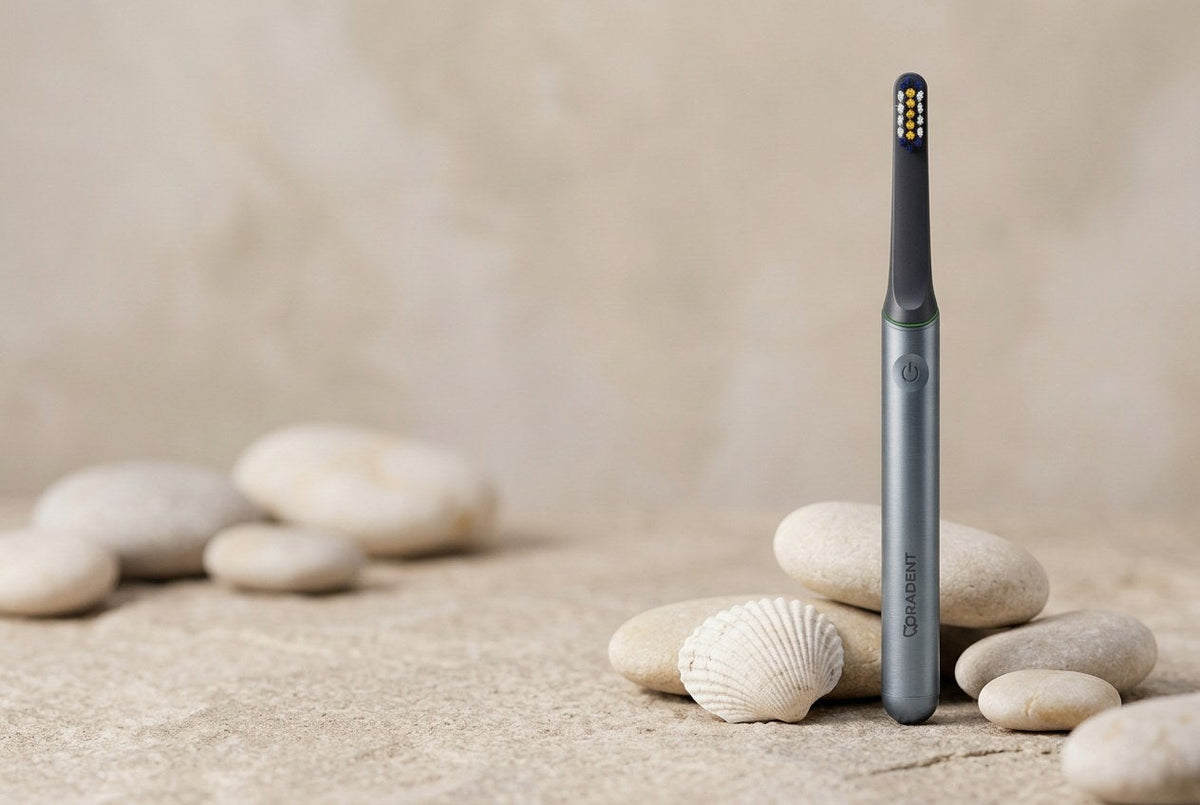
PulseONE uses SonicSweep technology: 38,000 movements a minute, with the head sweeping 45 degrees side to side. Its Sensitive mode and the Gentle Touch head that comes in the box are made for days when your teeth need a softer clean, and the Precision Clean head is there for everyday cleaning.
SmartSense Brushing technology runs a two minute timer with a short buzz every 30 seconds, prompting you to move to the next quarter of your mouth. Even coverage means you are less likely to keep working one area while missing another. If you are new to the technique, our guide on the correct way to brush with a sonic toothbrush walks through it step by step.
Enamel friendly habits beyond the brush
- Clean between your teeth each day with floss or interdental brushes.
- Drink tap water through the day. Most Australian water supplies are fluoridated.
- Keep acidic and sugary food and drink to mealtimes rather than sipping all day.
- Chew sugar free gum after meals to encourage saliva.
- See your dentist regularly so early wear can be spotted and discussed.
Questions
Can enamel grow back?
No. Once enamel is lost, the body cannot replace it. Fluoride toothpaste helps strengthen the enamel you still have, which is why protecting it day to day matters. If you notice wear or new sensitivity, see your dentist.
Is an electric toothbrush bad for enamel?
Used with a light touch, an electric toothbrush is gentle on enamel. Wear usually comes from pressing hard, using hard bristles or brushing straight after something acidic, whichever brush you use.
Should I brush before or after breakfast?
If breakfast includes juice, fruit or coffee, brushing beforehand is often the easier option. Otherwise, wait around an hour and rinse with water in the meantime.
Does whitening toothpaste wear enamel?
Some whitening toothpastes are more abrasive than everyday toothpaste. If you are concerned about wear or sensitivity, ask your dentist which toothpaste suits your teeth.
A gentle daily clean with PulseONE
PulseONE is designed to make a light touch the easy option: a 71 g brushed aluminium body, a Sensitive mode, and a Gentle Touch head included alongside the Precision Clean head. See everything that comes with it on our what's in the box page, and try it for 7 days with our 7 day smile guarantee.