By Oradent
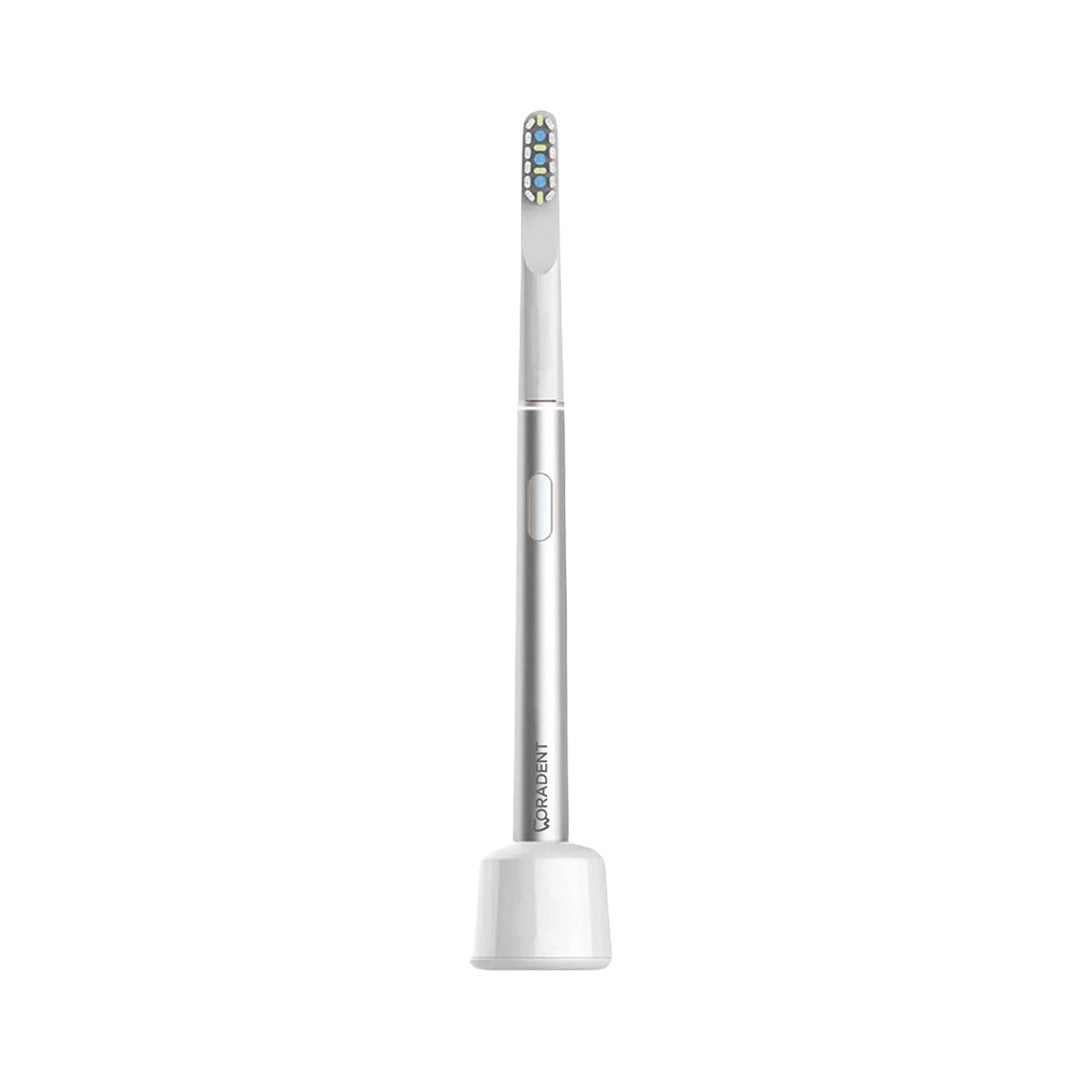
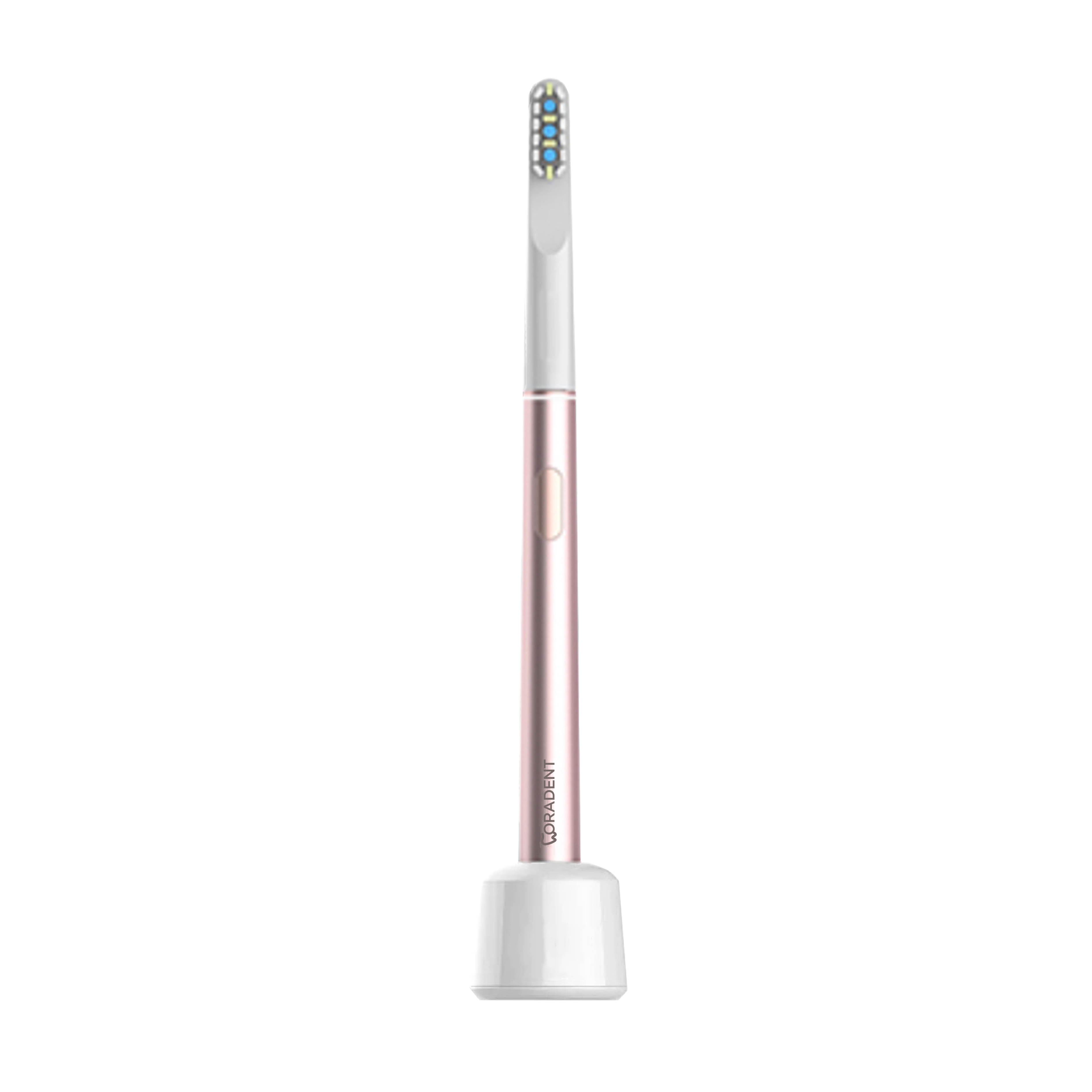
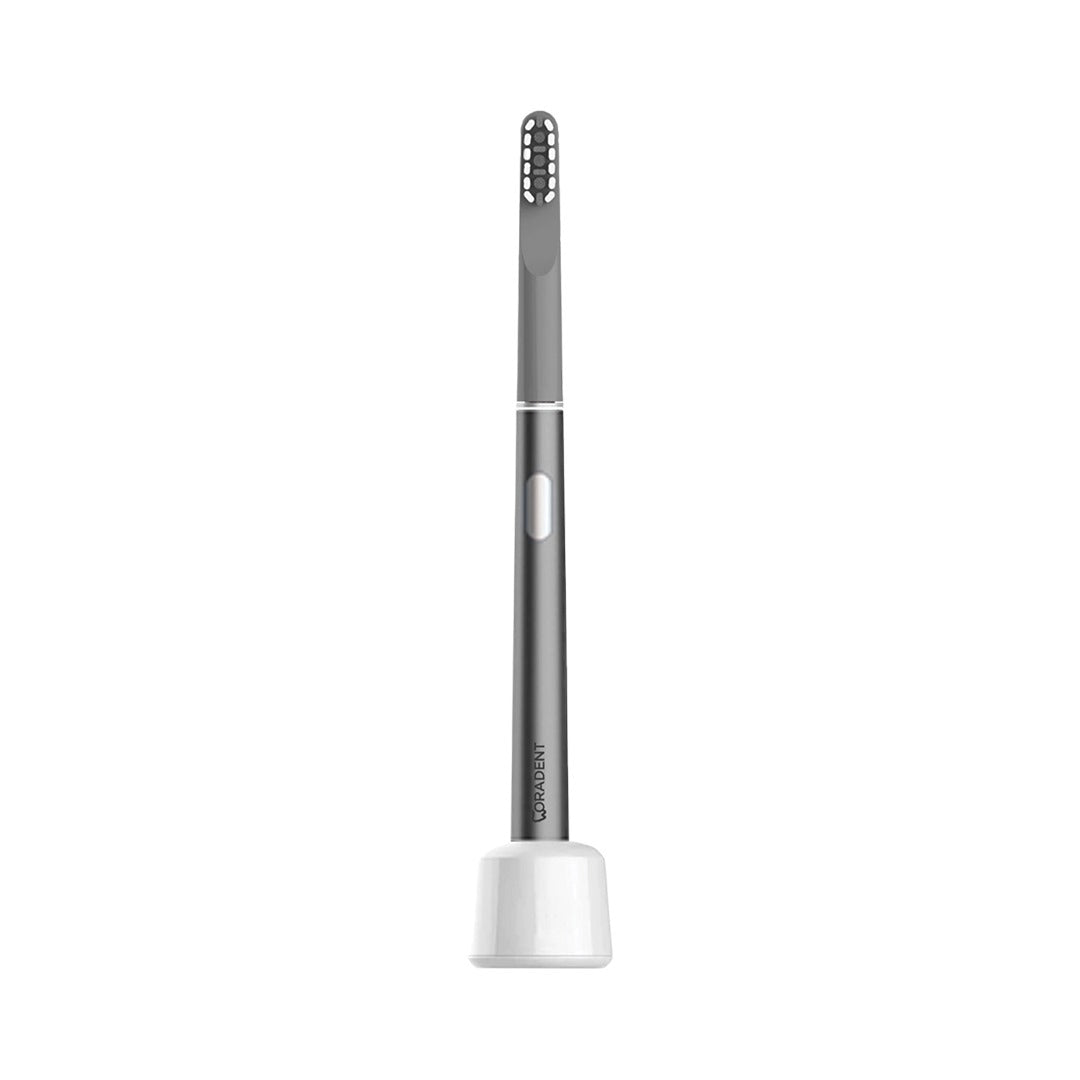
If you’ve been thinking about when to replace your toothbrush head, here’s the straight truth: you probably should do it sooner rather than later ideally every few months. Your brush head ages, bristles wear out, and once that happens, your clean just isn’t clean anymore. For good oral hygiene maintenance, that makes a big difference especially if you use an electric or sonic brush like Oradent’s.
Because Oradent cares about effective brushing and healthy gums, refreshing your brush head on time keeps your routines working like they should.
Why This Really Matters
Here’s what’s up: your toothbrush head gets a lot of work. Brushing, maybe twice or more per day, plus water, toothpaste, bathroom air … over time those soft bristles get worn out.
When bristles are worn, they can’t reach between teeth well, can’t scrub plaque properly, and sometimes even irritate your gums. That’s the opposite of what a premium brush head from Oradent’s sonic-care line iis meant to do. On Oradent’s site, they highlight that their brushes can remove up to 10× more plaque than manual brushing. Oradent
So if you want to get the full benefit of that smart toothbrush investment, keeping the head fresh is key.
5 Signs You Should Replace Your Toothbrush Head
If you see even one of these, it’s time for a swap:
1. Bristles are frayed, splayed, or misshapen
Classic sign of a brush that’s done its job. Once the bristles start sticking out every which way, they stop cleaning properly.
2. Teeth don’t feel clean like before
If you brush and still feel some “grit,” or your mouth doesn’t feel fresh and smooth afterward, that’s a red flag. The cleaning power has dropped.
3. You recently had a cold, flu, or oral sickness
Germs and bacteria hang out on bristles. Even after rinsing, some hangers-on remain. It’s wise to change the head after being sick, especially to keep gums safe.
4. It’s been roughly 3 months (or more)
Dentists often recommend replacing toothbrush heads around every 3 months. Many of us stretch it longer but for best oral hygiene, that’s the sweet spot.
5. You see discoloration, buildup, or bristle stiffness
If your brush head looks dirty, crusty, or the bristles are hard instead of soft, that’s your cue. Time to retire.
Old vs New Brush Head: At a Glance
|
Condition |
Worn / Old Brush Head |
Fresh / New Brush Head |
|
Bristles |
Bent, frayed, uneven |
Firm, flexible, clean |
|
Cleaning effectiveness |
Weak, plaque remains |
Strong, plaque removed |
|
Gum comfort |
Rough or irritating |
Gentle and safe |
|
Hygiene level |
Higher bacteria build-up risk |
Cleaner and safer |
|
Overall oral health support |
Compromised |
Optimized |
How Often Should You Change It? (Smart Toothbrush Users Too)
-
Roughly every 3 months
-
Right after any sickness (cold, flu, etc.)
-
The moment you notice worn bristles
-
If you brush more than 2× daily (yes, that works harder on the bristles)
-
When you see visible buildup, discoloration, or bristle stiffening
This little habit, swapping brush heads regularly is one of the easiest dental hygiene tips you can follow.
If you’re curious about choosing the right toothbrush (manual vs sonic vs smart), you might enjoy Oradent’s discussion about cleaning modes and plaque removal on their product page. Oradent
FAQ
Q: What will be the result of not changing the head?
Your brush turns ineffective. Plaque remains, bacteria accumulate, your gums might become irritated, slowly, slowly, your teeth, your mouth, and your health become worse.
Q: Is it possible to simply rinse or disinfect the old brush head and use it?
You can rinse but that will do no good in worn bristles or to bring back cleaning power. The bristles lose their shape and therefore become inefficient.
Q: Do I need a toothbrush-head? Do I still need to replace my toothbrush-head in the event I use an electric or sonic toothbrush (such as the one by Oradent)?
Absolutely. Even sonic brushes used in the highest end tend to lose their performance as the brush heads become worn-out
Q: Could I push it beyond 3 months if the brush seems “okay”?
You could, but it’s not ideal. Better safe (and cleaner) than sorry. Toothbrush lifespan for a tooth-friendly clean should be treated seriously.
The Bottom Line
Whether you use a basic manual brush or a fancy sonic one from Oradent, your toothbrush head is not forever. It ages. It degrades. And if you don’t refresh it, you’re not getting full value from your brush, simple as that.
Swapping a toothbrush head every few months (or right after sickness) keeps your smile cleaner, gums healthier, and your daily brushing routine actually effective.
So next time you reach for your brush, take a quick look at the bristles. If they’re not looking sharp and fresh, give yourself permission to replace.
Your gums and future self will thank you.
Ready to change your toothbrush head? Explore Oradent ultimate pack of replacement heads.