If cold drinks or brushing make you wince, the toothbrush you use and the way you use it really matter. A sonic toothbrush for sensitive teeth can help you clean thoroughly with a lighter touch, because the head does the work instead of your arm. Here is how it helps, what to look for, and how to brush comfortably.
Why teeth become sensitive
Sensitivity usually happens when dentine, the softer layer under the enamel, is exposed. Dentine has tiny channels that lead towards the nerve, so cold, heat, sweet foods or brushing can trigger a sharp twinge.
Common contributors include:
- Brushing too hard or with stiff bristles, which can wear enamel and push gums back over time
- Acidic food and drink, such as soft drinks, citrus and wine
- Gum recession, which exposes the root surface
- Grinding or clenching
- Cracked teeth, worn fillings or decay
Because some of these causes need treatment, it is worth seeing your dentist if sensitivity is new, sharp or getting worse.
How a sonic toothbrush helps sensitive teeth
With a manual brush, many people press hard and scrub, especially when they are in a hurry. That is exactly the habit that makes sensitivity worse. A sonic toothbrush moves the head rapidly for you, so your job is simply to place it and guide it slowly from tooth to tooth.
That shift brings a few practical benefits for sensitive mouths:
- Less force. You hold the brush lightly rather than pushing it into your teeth.
- Even coverage. A timer helps you clean every area for the full two minutes without overworking one spot.
- Gentle gumline cleaning. Angled towards the gums, the bristles help remove plaque where tooth meets gum without harsh scrubbing.
What to look for
Not every electric toothbrush suits a sensitive mouth. These are the features that matter most:
- A gentle mode. A dedicated sensitive setting gives a softer feel on tender days, with a stronger mode available when your mouth feels fine.
- A head made for sensitive teeth. The head matters as much as the motor. Look for soft bristles and a head designed for sensitivity rather than a firm everyday head.
- A timer that paces you. A two minute timer with a cue every 30 seconds stops you lingering and pressing on one area.
- A light, comfortable body. A lighter brush is easier to hold with a relaxed grip, which naturally keeps pressure down.
Some electric toothbrushes also warn you when you press too hard. Not every brush has this, so the habit that matters most, whatever you choose, is a light grip. For a wider look at buying for sensitivity, see our guide to choosing a toothbrush for sensitive teeth.
How to brush with sensitive teeth
- Start in the gentlest mode and stay there for the first week or two.
- Hold the brush like a pen, with your fingertips rather than your fist.
- Angle the bristles towards the gumline and rest the head lightly on each tooth for a moment before moving on.
- Do not scrub. Let the brush do the movement.
- Use a fluoride toothpaste made for sensitive teeth, and spit rather than rinse afterwards.
- Replace the head about every three months, as worn bristles feel rougher and clean less well.
If your gums rather than your teeth are the tender part, our article on brushing with sensitive gums covers that in more detail.
Questions
Is a sonic toothbrush safe for sensitive teeth?
Used gently, with a soft head and a light grip, a sonic toothbrush is a comfortable choice for many people with sensitive teeth. The key is to guide the brush rather than press or scrub. If anything hurts, ease off and talk to your dentist.
Will an electric toothbrush make my sensitivity worse?
Not if you use it correctly. Sensitivity is more often aggravated by hard pressure and stiff bristles, which are easier to avoid when the brush does the movement for you. Start in a gentle mode and build up.
Which mode should I use?
Start with the gentlest setting. Once your mouth is used to the feeling, try a stronger mode on days when your teeth feel comfortable, and switch back when they do not.
When should I see a dentist about sensitivity?
If sensitivity is sudden, severe, lasts more than a few days or centres on one tooth, book a check-up. It can be a sign of something that needs treatment, such as a crack or decay.
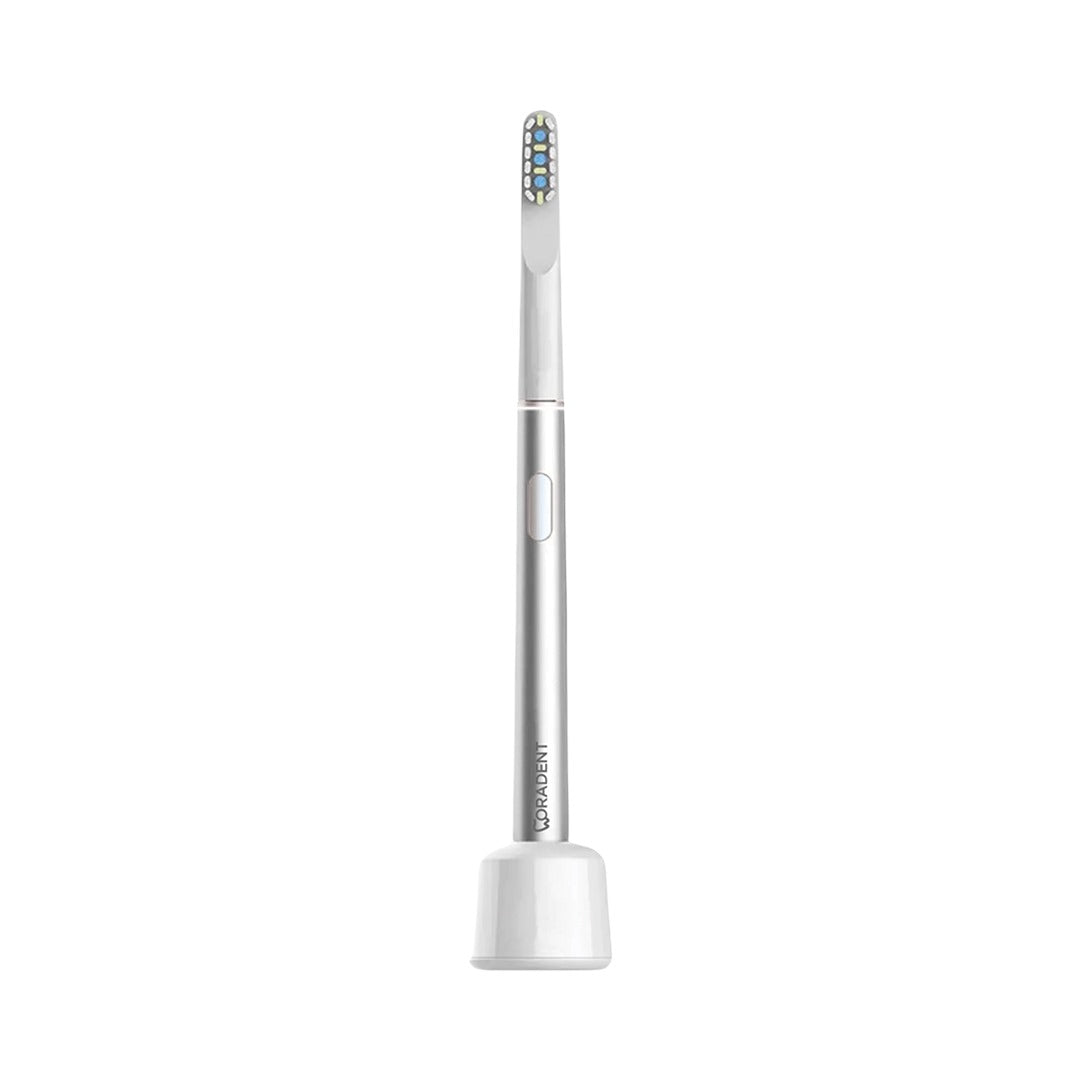
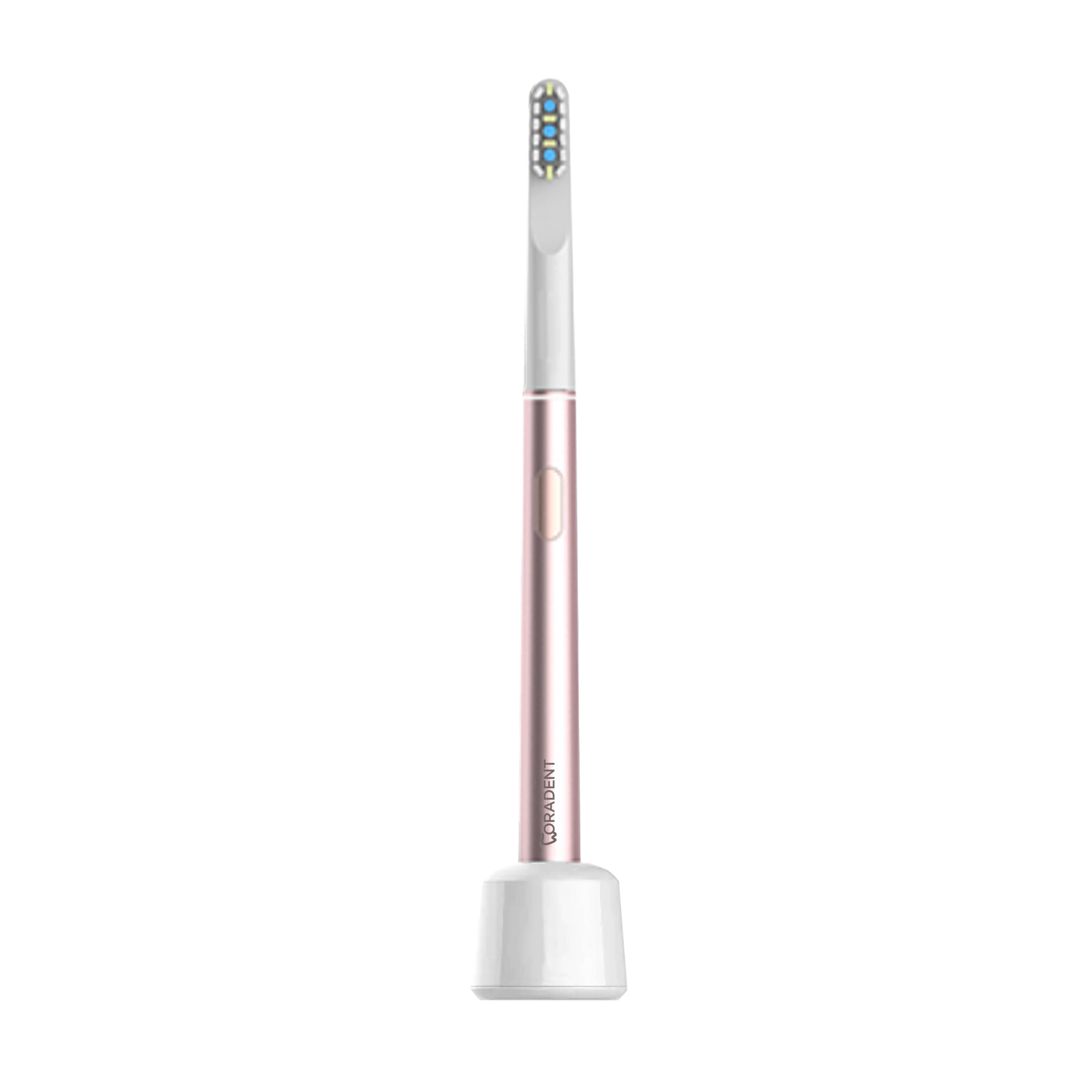
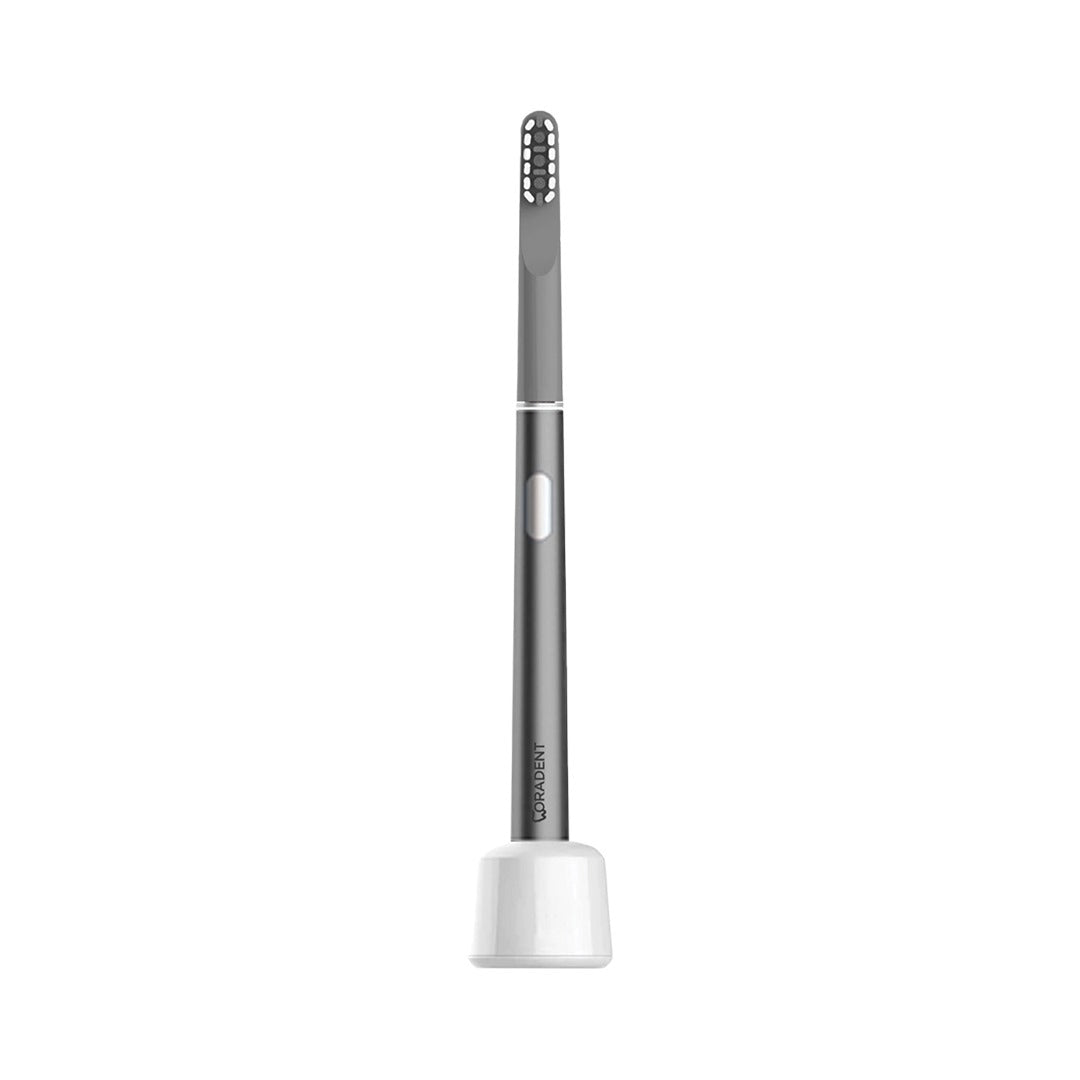
PulseONE for sensitive teeth
PulseONE includes a Gentle Touch head for sensitive teeth alongside the Precision Clean head for everyday cleaning, so you can choose what suits you from the first day. Sensitive mode keeps things soft, SmartSense Brushing technology buzzes every 30 seconds to move you on, and the 71 g aluminium body is easy to hold with a light grip. Fresh PulseONE heads come in a 2-pack for A$29.