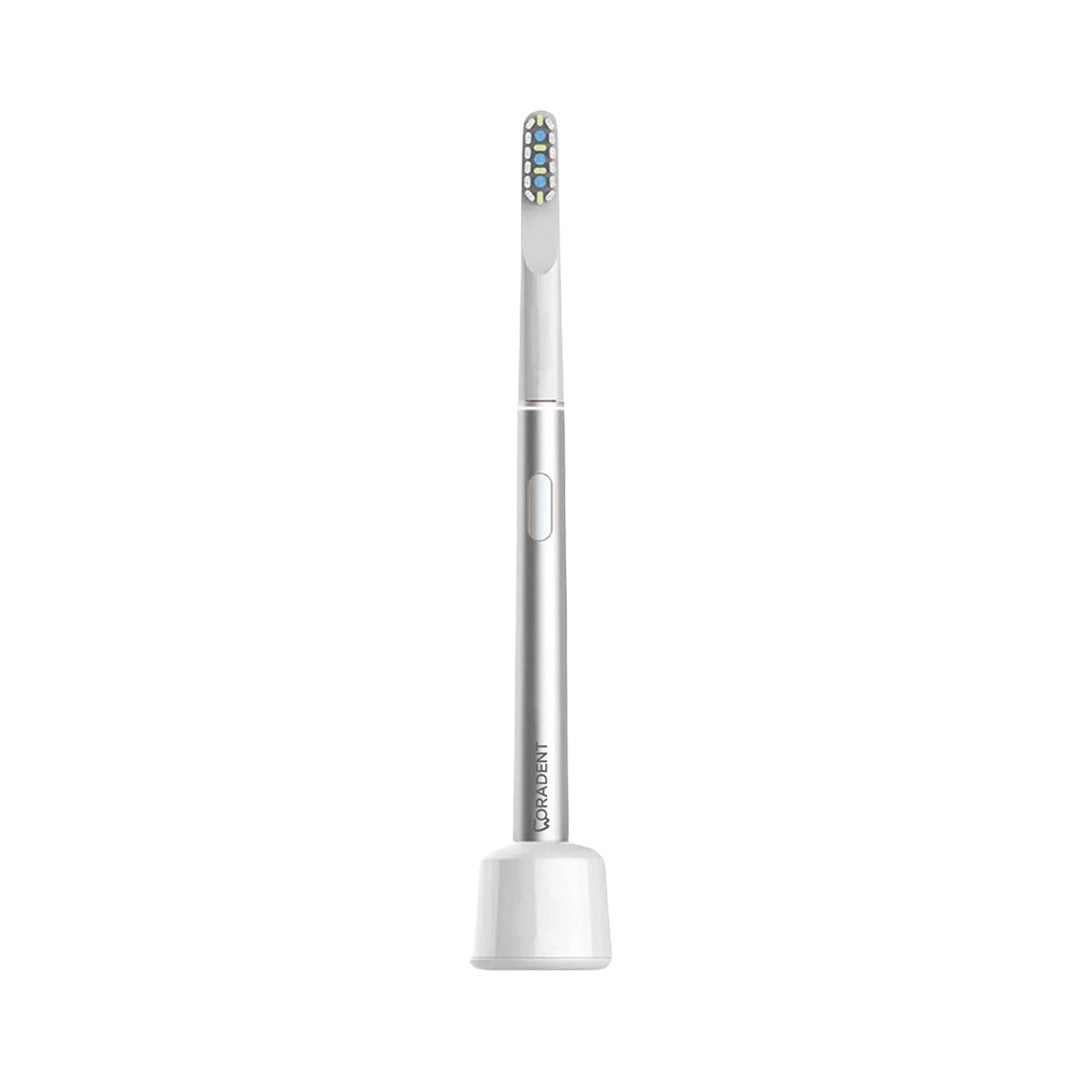
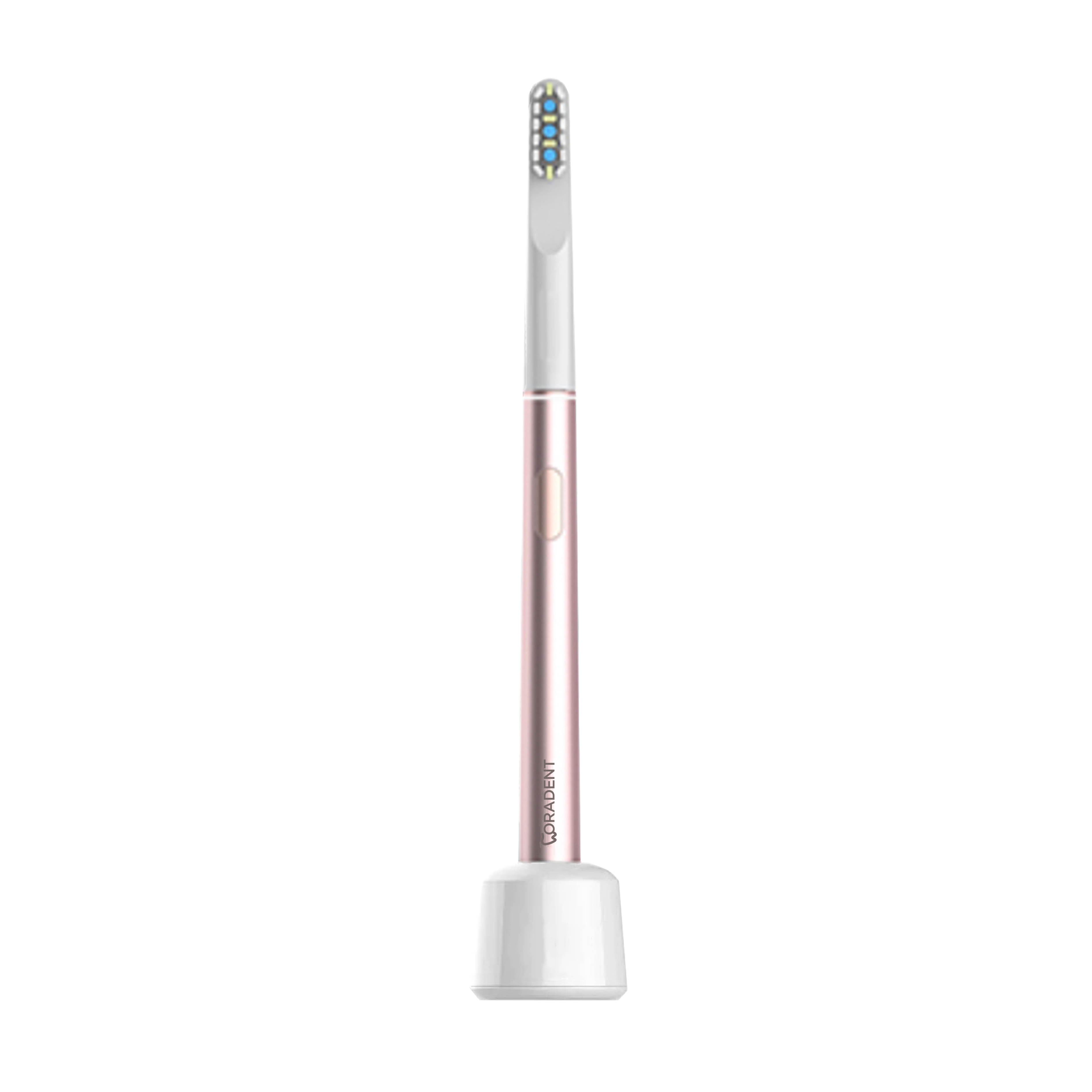
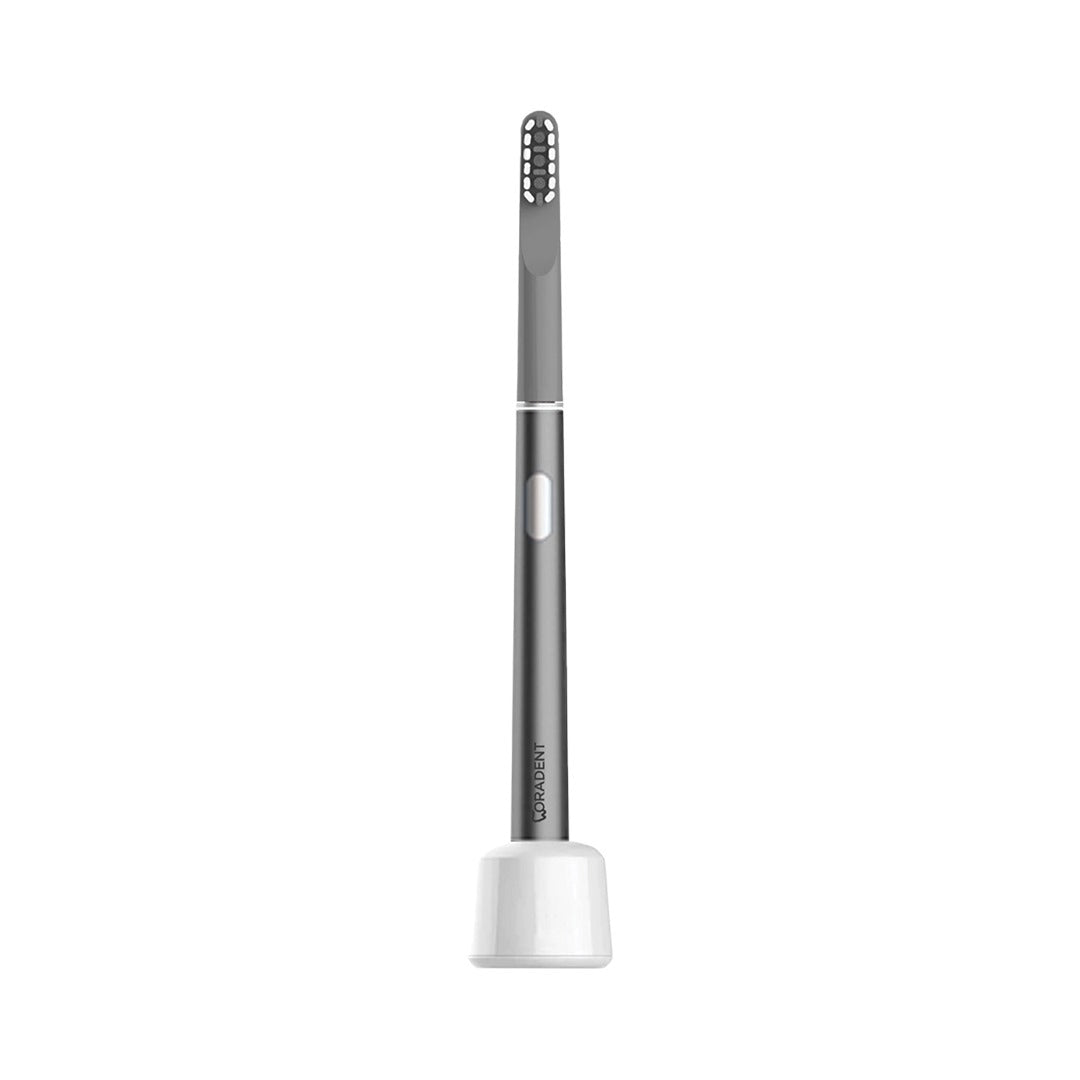
Choosing the right toothbrush isn’t just about gadgets, it's about your gum protection, daily dental hygiene, and how effectively your brush removes plaque. Between a sonic toothbrush and a traditional electric brush, the debate can get confusing. So, what’s truly better for your teeth and gums? Studies show that a sonic toothbrush can remove up to 21% more plaque than standard electric brushes, while being gentle on gums making it an excellent option for anyone looking for smarter oral care.
At a glance:
-
Primary benefit: Faster, more thorough plaque removal
-
Ideal for: Sensitive gums and thorough cleaning
-
Cost range: $50–$250 AUD depending on features
-
Best use: Daily brushing with two minutes minimum
What’s the Difference Between a Sonic Toothbrush and an Electric Brush?
Let’s break it down in simple terms. A traditional electric toothbrush typically moves in a rotating or oscillating motion. It’s effective, reliable, and easy to use. On the other hand, a sonic toothbrush vibrates at extremely high speeds up to 40,000 strokes per minute creating a gentle fluid dynamic action that helps dislodge plaque even beyond the bristles.
Here’s a quick comparison:
|
Feature |
Sonic Toothbrush |
Traditional Electric Brush |
|
Bristle motion |
High-frequency vibrations |
Rotating/oscillating |
|
Plaque removal effectiveness |
Up to 21% more effective |
Effective, but less reach |
|
Gum friendliness |
Gentle on sensitive gums |
May irritate if pressure is high |
|
Noise level |
Moderate |
Low to moderate |
|
Price range (AUD) |
$80–$250 |
$50–$150 |
Why a Sonic Toothbrush May Be Better for Gum Protection
Your gums are delicate, and over-brushing or harsh brushing can lead to irritation, bleeding, or even gum recession. The sonic toothbrush is designed to be gentle yet effective. Its high-speed vibrations create a cleaning action that removes plaque and bacteria along the gum line without aggressive scrubbing.
Dr. Emily Harris, a Sydney-based dentist, notes, “Patients who switch to sonic toothbrushes often report less gum bleeding and inflammation within weeks.” This makes it a great choice if gum protection is a top priority.
Plaque Removal: How Sonic Technology Works
The secret is in the vibrations. Unlike standard electric brushes that rely solely on bristle movement, a sonic toothbrush generates sonic energy that travels through saliva and water, creating micro-bubbles and a fluid motion that cleans hard-to-reach spots. This can make a huge difference in plaque removal, especially in tight spaces or behind molars.
Tip: Pair your sonic brush with fluoride toothpaste for maximum enamel and gum support.
Step-by-Step: How to Get the Most Out of Your Sonic Toothbrush
Even the best brush won’t work if used incorrectly. Here’s a simple routine for optimal results:
-
Wet your brush and toothpaste: Use a small amount of fluoride toothpaste.
-
Divide your mouth into quadrants: Upper left, upper right, lower left, lower right.
-
Two minutes per quadrant: Let the brush do the work—avoid aggressive scrubbing.
-
Focus on gum lines: Tilt the brush 45 degrees along your gums for better cleaning.
-
Rinse and inspect: Check for leftover plaque or debris, and rinse your brush thoroughly.
Myths About Sonic Toothbrushes vs Electric Brushes
Myth 1: Sonic brushes are too harsh on teeth.
Fact: They’re actually gentle due to fluid dynamics; most are safe for enamel and sensitive gums.
Myth 2: Electric brushes clean just as well.
Fact: While effective, studies show sonic toothbrushes often outperform standard electric brushes in plaque removal and gum health over time.
Myth 3: Sonic brushes are complicated to use.
Fact: Modern sonic toothbrushes are intuitive, with timers and pressure sensors built-in to guide your brushing.
Buying Checklist: How to Choose the Right Sonic Toothbrush
When choosing your next brush, keep these in mind:
-
Battery life: Ideally 2–3 weeks per charge.
-
Modes: Daily clean, sensitive, gum care, whitening.
-
Pressure sensor: Prevents over-brushing.
-
Replaceable heads: Affordable and easy to swap every 3 months.
-
Warranty & support: Check for Australian coverage for peace of mind.
FAQ: Sonic Toothbrush Questions Answered
1. How often should I replace my brush head?
Every 3 months or when bristles appear frayed.
2. Can I use a sonic toothbrush with braces or implants?
Yes! It’s excellent for maintaining gum protection and cleaning around dental appliances.
3. Is it safe for kids?
Yes, but choose a smaller brush head and gentle mode.
4. Do sonic brushes reduce bad breath?
Absolutely. Removing more plaque and bacteria leads to fresher breath.
Why Oradent Recommends Sonic Toothbrushes
At Oradent, we focus on oral solutions that combine convenience with dental hygiene excellence. The sonic toothbrush is a tool that aligns perfectly with our goal of protecting gums, removing plaque efficiently, and simplifying your daily routine.
Switching to a sonic toothbrush isn’t just a small upgrade, it's an investment in your long-term oral health. Better cleaning, gentler on gums, and more effective at preventing cavities and gingivitis.
Ready to upgrade? Shop Oradent Sonic Toothbrushes today and take the first step toward healthier teeth and gums.
Quick Recap: Sonic vs Electric
-
Sonic toothbrush: High-speed vibrations, excellent plaque removal, gentle on gums.
-
Traditional electric brush: Effective but less efficient at cleaning hard-to-reach areas.
-
Best for: Sensitive gums, improved oral health, and long-term gum protection.
Choosing the right brush can make a real difference in your daily oral care routine.