How long should you brush your teeth? The standard guidance is two minutes, twice a day, with a fluoride toothpaste. Most of us believe we already do this, but two minutes is longer than it feels, and an unhurried brush is where good habits are built.
This guide explains why two minutes matters, how to divide that time so no part of your mouth misses out, and how a built-in timer takes the guesswork away.
Why two minutes is the standard
Plaque is a soft, sticky film of bacteria that forms on teeth every day. Removing it takes time. The brush needs to reach the outer, inner and chewing surfaces of every tooth, plus the gumline, where plaque tends to collect.
Two minutes gives you enough time to do that properly without rushing. Brushing for much less usually means some surfaces get a quick pass or none at all. Brushing for far longer, or scrubbing harder, does not make teeth cleaner and can be unkind to your gums.
Twice a day matters as much as the length. Brushing before bed is especially important, because saliva flow drops overnight and any plaque left behind has hours to sit undisturbed.
Why most people fall short of two minutes
Two minutes feels long when you are standing at the sink. Without a clock, most people stop when their mouth feels fresh, which is usually well before the job is done. The common reasons are easy to recognise:
- Rushing in the morning while thinking about the day ahead.
- Starting on the same side every time and fading out by the last quarter.
- Spending most of the time on the front teeth you can see in the mirror.
- Losing track of time altogether, especially at night when you are tired.
None of these are about effort. They come from having no reliable way to measure time, which is exactly what a timer fixes.
How to split two minutes across your mouth
The simplest method is to divide your mouth into four quarters and give each one about 30 seconds.
- Upper right: outer surfaces, inner surfaces, then chewing surfaces.
- Upper left: the same order, including the back molars.
- Lower left: pay attention to the inner surfaces behind the front teeth.
- Lower right: finish with the chewing surfaces and the very back teeth.
Within each quarter, guide the brush slowly from tooth to tooth, angled towards the gumline. With a sonic toothbrush you do not need to scrub. Let the brush create the movement and simply move it along. Our guide on how to brush with a sonic toothbrush covers the technique step by step.
When you finish, spit out the toothpaste rather than rinsing with lots of water, so a little fluoride stays on your teeth.
How a built-in timer helps
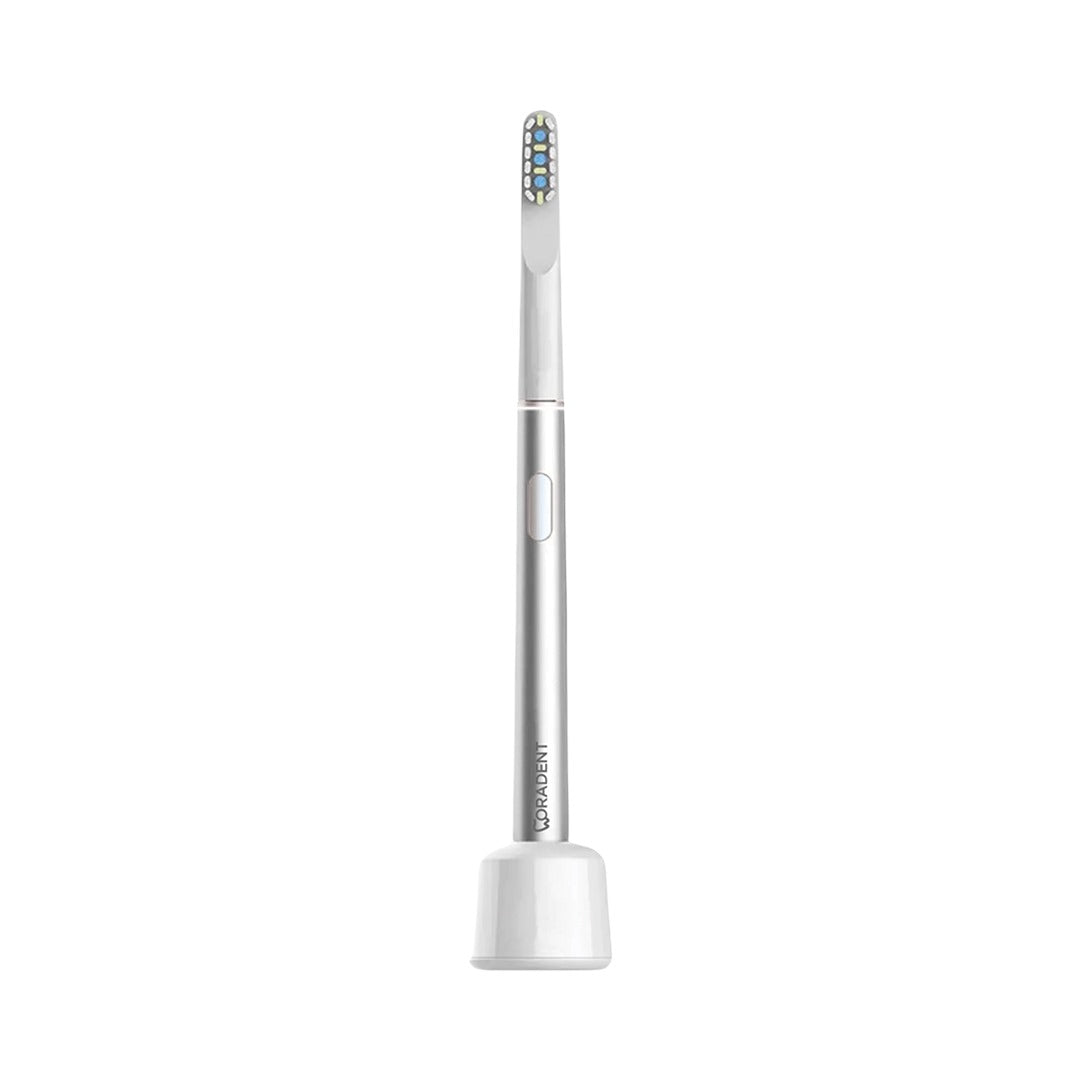
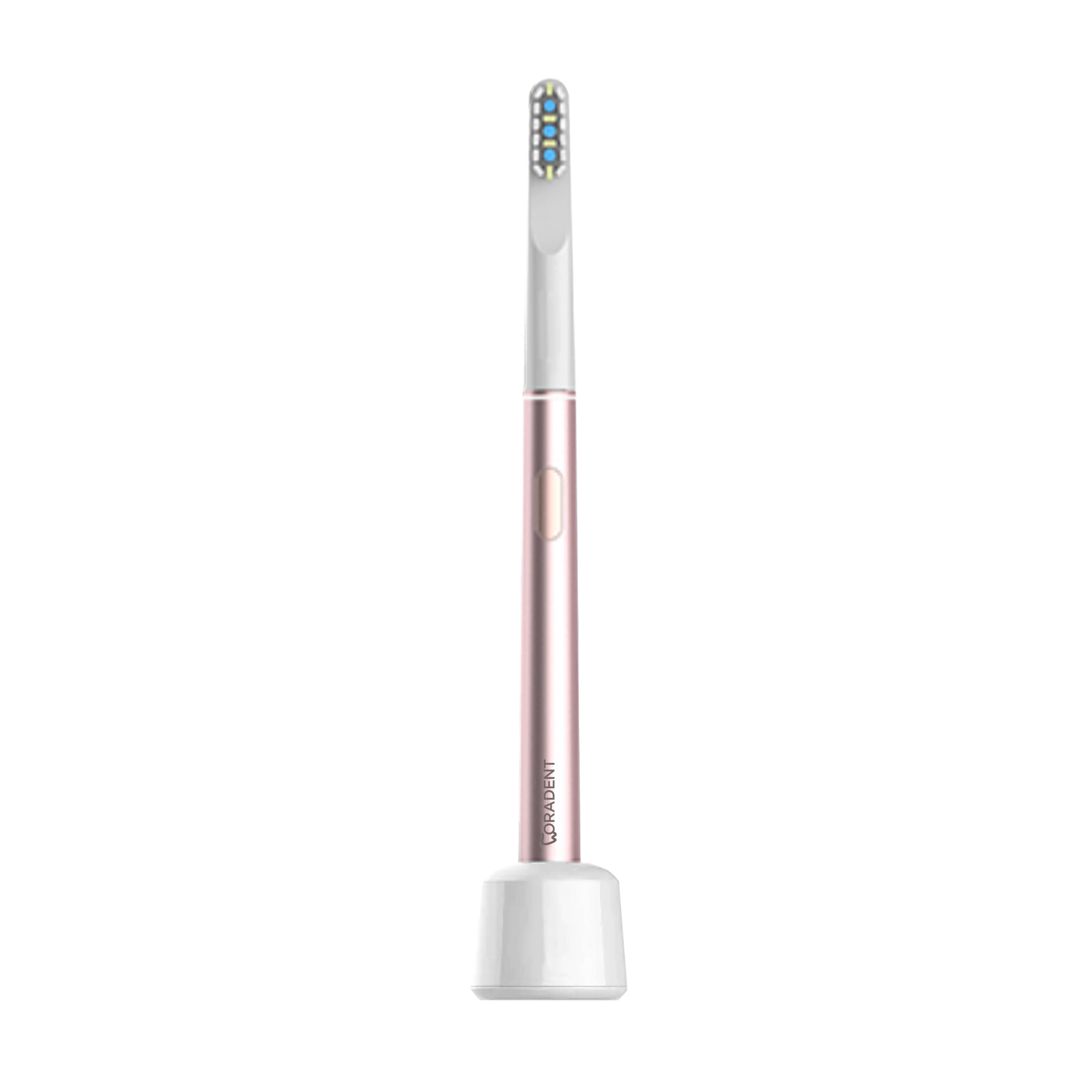
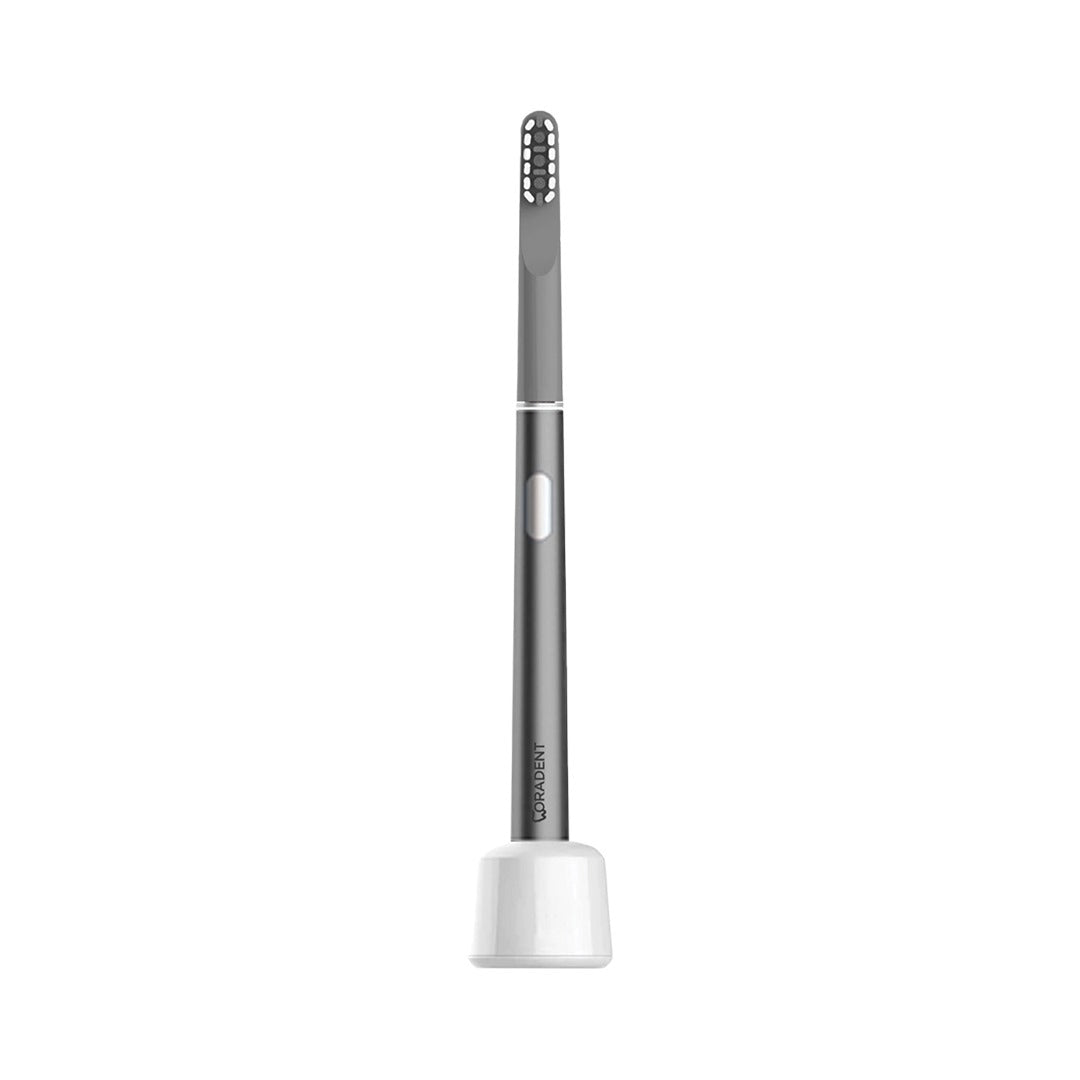
A timer turns two minutes from a guess into something you can feel. PulseONE uses SmartSense Brushing technology: a two minute timer with a short buzz every 30 seconds to tell you it is time to move to the next quarter of your mouth.
That 30 second pacing is the useful part. It stops you lingering on the front teeth, and it gives the back teeth the same attention as the ones you see. After a week or two, most people find the rhythm becomes automatic, and two minutes stops feeling long.
If you are weighing up whether a timer is worth having, our article on electric toothbrush timers goes into more detail.
Habits that make your two minutes count
- Use a soft head and a light touch. Pressing harder does not remove more plaque.
- Clean between your teeth once a day. Floss or interdental brushes reach where a brush head cannot.
- Replace brush heads about every three months, or sooner if the bristles splay.
- Limit sugary and acidic snacks between meals, and drink water through the day.
- See your dentist for regular check-ups, so small problems are spotted early.
Questions
Is it bad to brush your teeth for longer than two minutes?
A little longer is fine if you are gentle. Brushing for much longer with heavy pressure can irritate gums, so aim for a calm, thorough two minutes rather than more time.
Should I still brush for two minutes with an electric toothbrush?
Yes. The two minute guidance applies whether you use a manual or an electric toothbrush. An electric brush creates the movement for you, but it still needs time to reach every surface.
Is it better to brush before or after breakfast?
Either works, as long as you brush twice a day. If you have had something acidic such as citrus or juice, it is worth waiting a while before brushing, or brushing before you eat.
How do I know I have brushed for long enough without a timer?
You can use a phone timer or a song that runs about two minutes. A brush with a built-in two minute timer and 30 second prompts is easier, because it keeps time for you every session.
Two minutes, paced for you
PulseONE makes the two minute rule easy to keep. SmartSense Brushing technology times every session and buzzes every 30 seconds, SonicSweep technology delivers 38,000 movements a minute, and the battery gives you 45 days on one charge, approximately six weeks, from any USB-C cable.
Explore the PulseONE sonic toothbrush at A$228, or see what comes in the box. Use it every day for 7 days, and if you are not happy, our smile guarantee gives you a full refund and we pay the return.