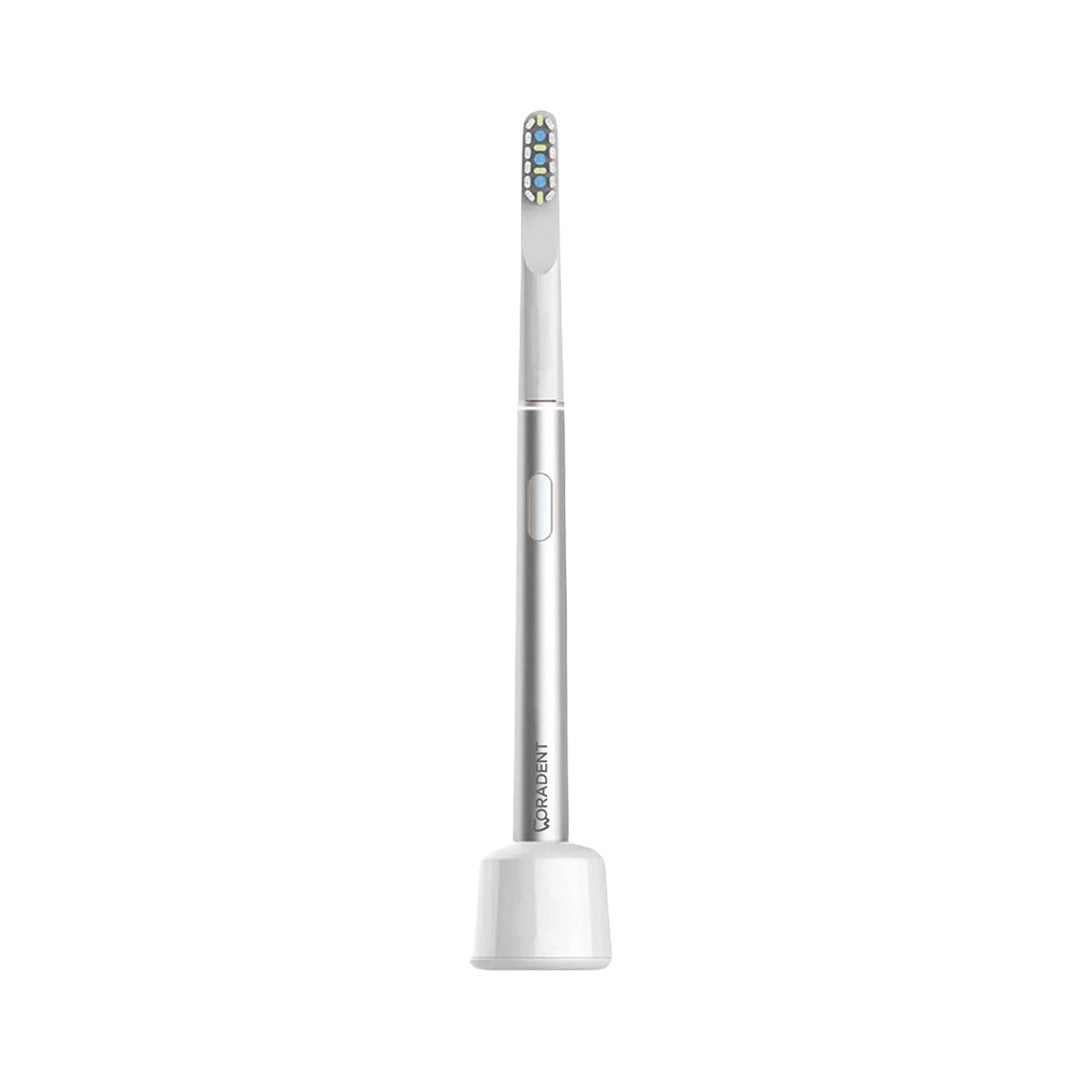
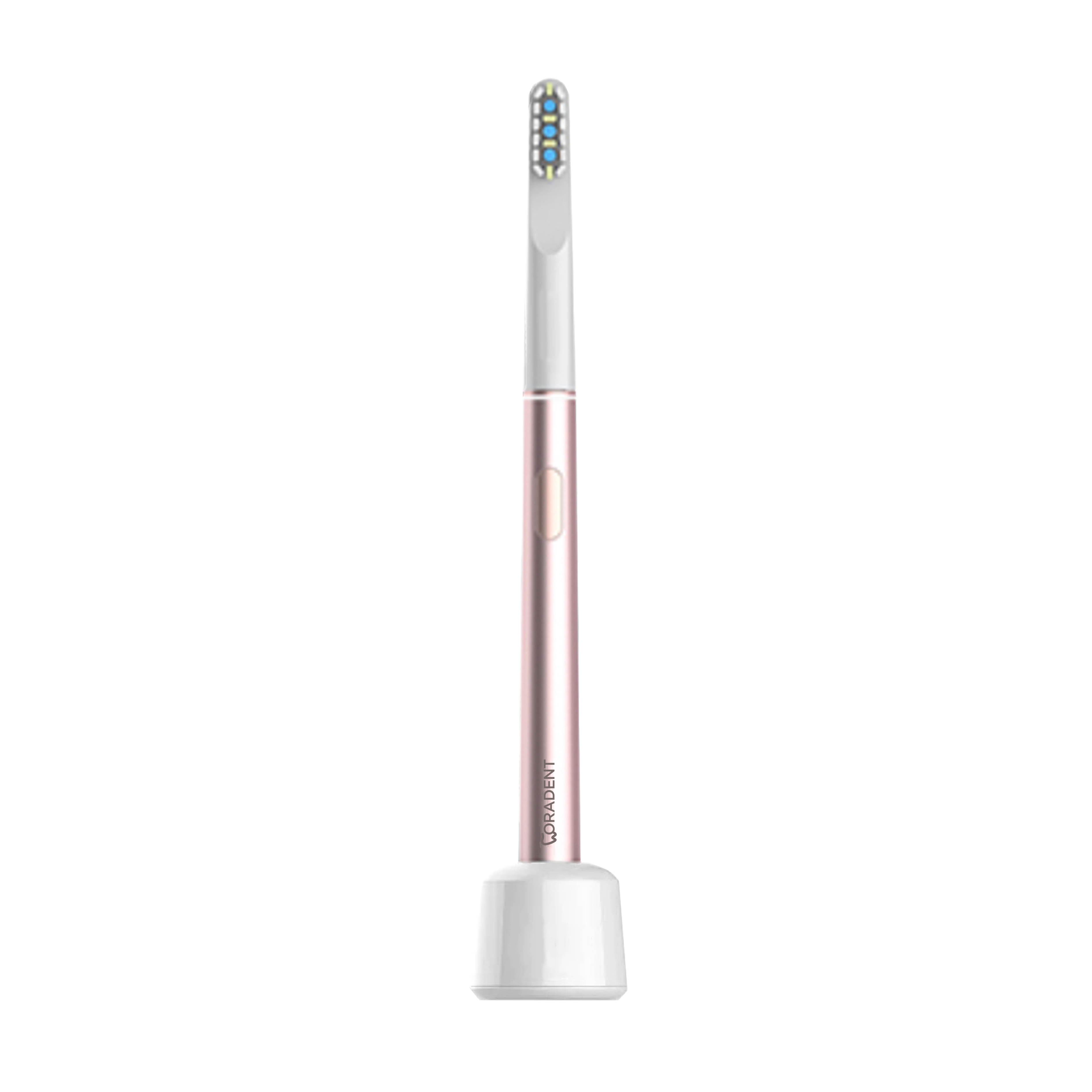
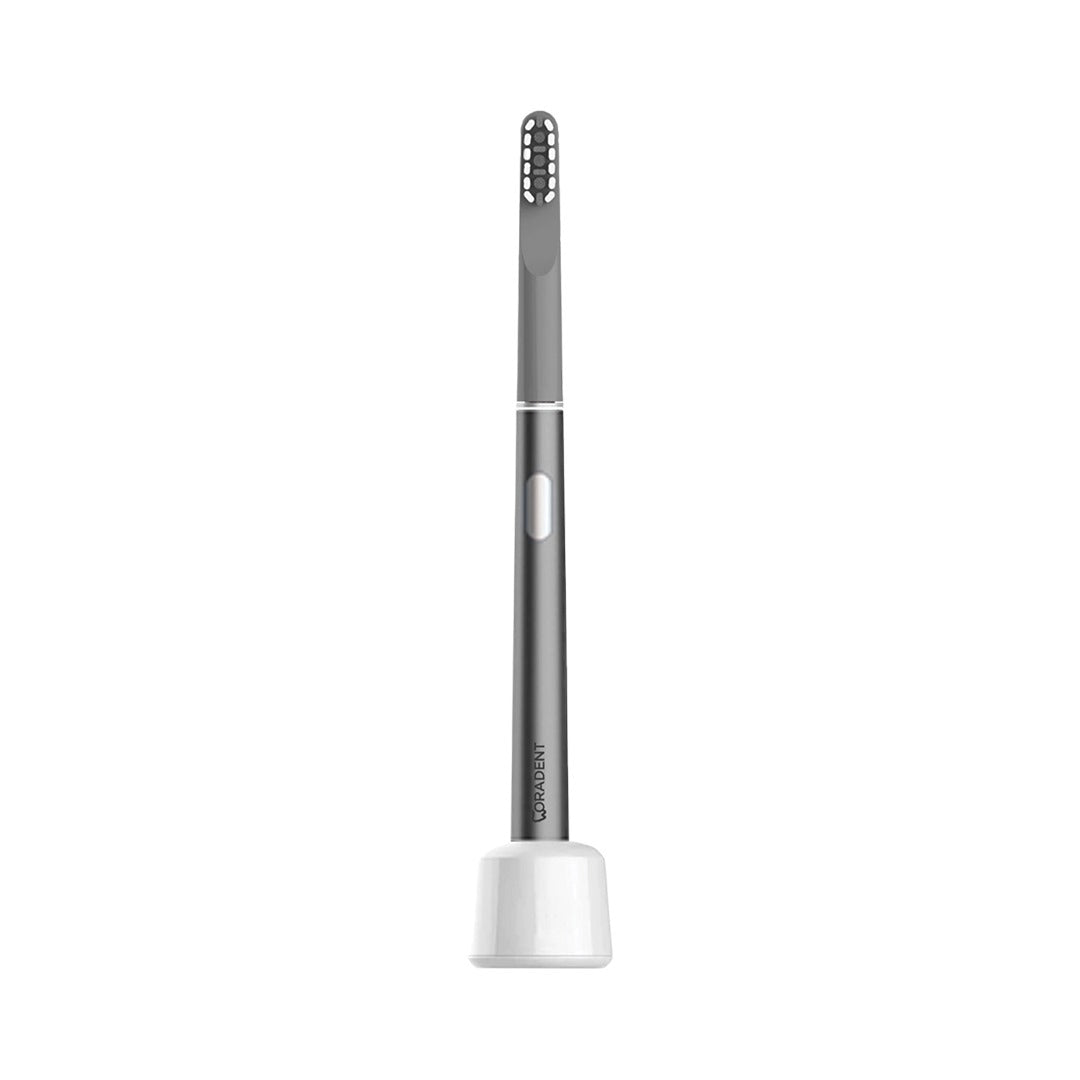
Most dentists agree that sonic toothbrushes can remove up to 2–3x more plaque than manual brushing when used correctly. A typical dentist review of sonic toothbrushes highlights better gum care, improved reach, and consistent brushing patterns—making them a reliable choice for daily oral hygiene.
👉 Shop dentist-approved oral care tools: https://oradent.com.au/collections/shop-our-range
At a Glance
-
Removes more plaque than manual brushes
-
Gentle on gums with high-speed vibrations
-
Ideal for people with braces or sensitive teeth
-
Built-in timers improve brushing habits
-
Widely considered a dentist-approved electric toothbrush
Why Are Sonic Toothbrushes Trending in Dental Care?
Walk into any dental clinic today, and chances are your dentist has at least mentioned switching to an electric brush. Sonic toothbrushes, in particular, are getting a lot of attention and not just because they look sleek.
Unlike traditional electric brushes, sonic toothbrushes use high-frequency vibrations (up to 40,000 strokes per minute). That speed creates fluid dynamics that push toothpaste and water into areas your bristles can’t physically reach.
Dentists like them because they don’t just clean the surface, they help clean between teeth and along the gum line more effectively.
What Do Dentists Actually Say? (Real Insights)
1. Better Plaque Removal
One of the biggest wins in any dentist review sonic toothbrush is plaque control.
Dentists often point out that patients who switch to sonic brushes show noticeable improvements in plaque reduction within weeks. This matters because plaque buildup is the root cause of cavities and gum disease.
2. Gentler on Gums
A common concern people have is: “Will it damage my gums?”
The answer? Not really if used properly.
Sonic toothbrushes are designed to be less abrasive than manual scrubbing. Dentists actually see fewer cases of gum recession caused by aggressive brushing when patients switch.
3. Built-In Brushing Discipline
Let’s be honest—most people don’t brush for the full 2 minutes.
Sonic toothbrushes fix that with:
-
Timers
-
Pressure sensors
-
Multiple modes
Dentists love this because it removes guesswork. You’re more likely to brush correctly without even thinking about it.
Sonic vs Manual Toothbrush: What’s the Difference?
|
Feature |
Sonic Toothbrush |
Manual Toothbrush |
|
Plaque Removal |
High (2–3x more effective) |
Moderate |
|
Gum Care |
Gentle & consistent |
Depends on technique |
|
Ease of Use |
Very easy |
Requires proper technique |
|
Built-in Timer |
Yes |
No |
|
Cost |
Higher upfront |
Budget-friendly |
Bottom line: Dentists don’t hate manual brushes—but they often recommend upgrading if you struggle with technique.
Who Should Use a Sonic Toothbrush?
According to dental professionals, a dentist-approved electric toothbrush like a sonic model is especially helpful for:
-
People with braces or aligners
-
Patients with gum sensitivity
-
Those prone to plaque buildup
-
Anyone who rushes brushing
-
Older adults with limited hand mobility
If you fall into any of these categories, switching could make a real difference.
How to Use a Sonic Toothbrush (Step-by-Step)
Using one isn’t complicated—but doing it right matters.
Follow these simple steps:
-
Apply toothpaste (pea-sized amount is enough)
-
Place brush at a 45° angle toward the gum line
-
Turn it on before moving across teeth
-
Let the brush do the work—don’t scrub
-
Move slowly tooth by tooth
-
Brush for at least 2 minutes
-
Rinse and clean the brush head
Pro tip from dentists: If you hear harsh buzzing against your teeth, you’re pressing too hard.
Are Sonic Toothbrushes Worth the Price?
This is where opinions get a bit mixed.
Dentists generally agree:
Yes, they’re worth it—but only if you actually use them properly.
You’re not just paying for a brush—you’re investing in:
-
Better long-term oral health
-
Fewer dental visits
-
Reduced risk of gum disease
That said, a manual brush used correctly is still better than an expensive device used poorly.
What Dentists Look for in a Good Sonic Toothbrush
If you’re browsing options (like the ones at Oradent), here’s what dental experts suggest checking:
Buying Checklist
-
Soft bristles (always dentist-recommended)
-
Pressure sensor (protects gums)
-
Timer (ensures 2-minute brushing)
-
Multiple cleaning modes
-
Long battery life
-
Replaceable brush heads
Not all sonic brushes are created equal—so choosing wisely matters.
Common Myths About Sonic Toothbrushes
“They’re too harsh on teeth”
Not true. They’re actually gentler than aggressive manual brushing.
“Manual brushing works just as well”
Only if your technique is perfect—which most people struggle with.
“They’re just a trend”
Dentists have been recommending electric brushes for years. Sonic tech is just a smarter upgrade.
Expert Insight
According to the Australian Dental Association (ADA), both manual and electric toothbrushes can be effective but electric options often provide better consistency for everyday users.
Studies published in dental journals also show reduced gingivitis and plaque levels over 3 months in patients using powered brushes compared to manual ones.
Why Oradent Recommends Sonic Toothbrushes
At Oradent, the focus is on making oral care simple, effective, and actually enjoyable.
Their curated range of dentist-approved electric toothbrush options is designed to:
-
Fit modern lifestyles
-
Support healthier brushing habits
-
Deliver professional-level cleaning at home
Whether you’re upgrading from manual brushing or replacing an old electric brush, their collection is worth checking out.
👉 Explore here: https://oradent.com.au/collections/shop-our-range
FAQs
Do dentists recommend sonic toothbrushes?
Yes. Most dentists support their use because they improve plaque removal and brushing consistency.
Can sonic toothbrushes damage enamel?
No, when used correctly with soft bristles, they are safe and gentle.
How often should I replace the brush head?
Every 3 months, or sooner if bristles start to fray.
Are they good for sensitive teeth?
Yes. Many models have sensitive modes specifically designed for this.
Final Thoughts
So, what’s the real takeaway from a dentist reviewing a sonic toothbrush?
Dentists don’t just like sonic toothbrushes; they recommend them because they solve a real problem: inconsistent brushing habits.
They’re not magic, but they do make it easier to maintain good oral hygiene without overthinking it.
If you’re serious about improving your routine, switching to a dentist-approved electric toothbrush could be one of the simplest upgrades you make this year.