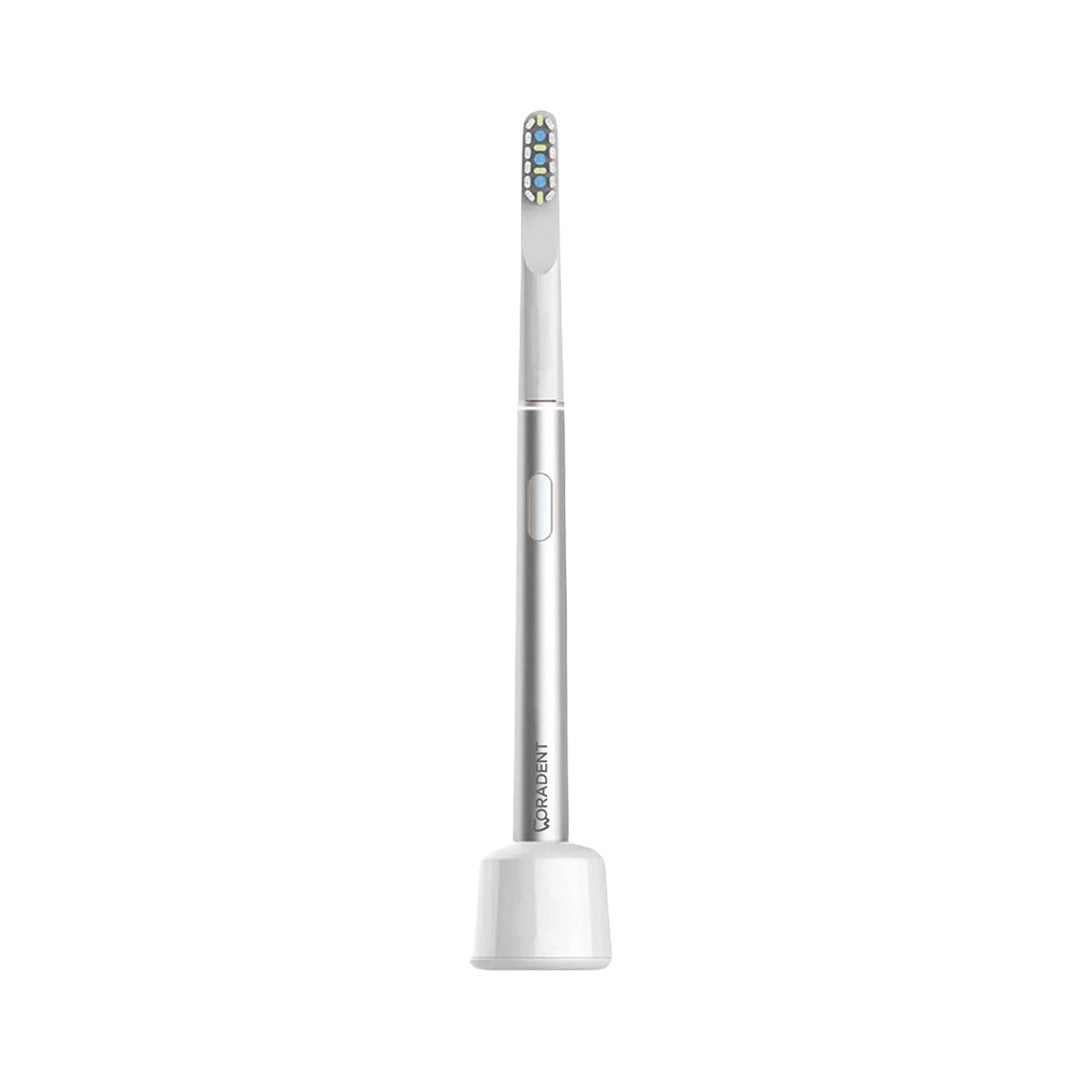
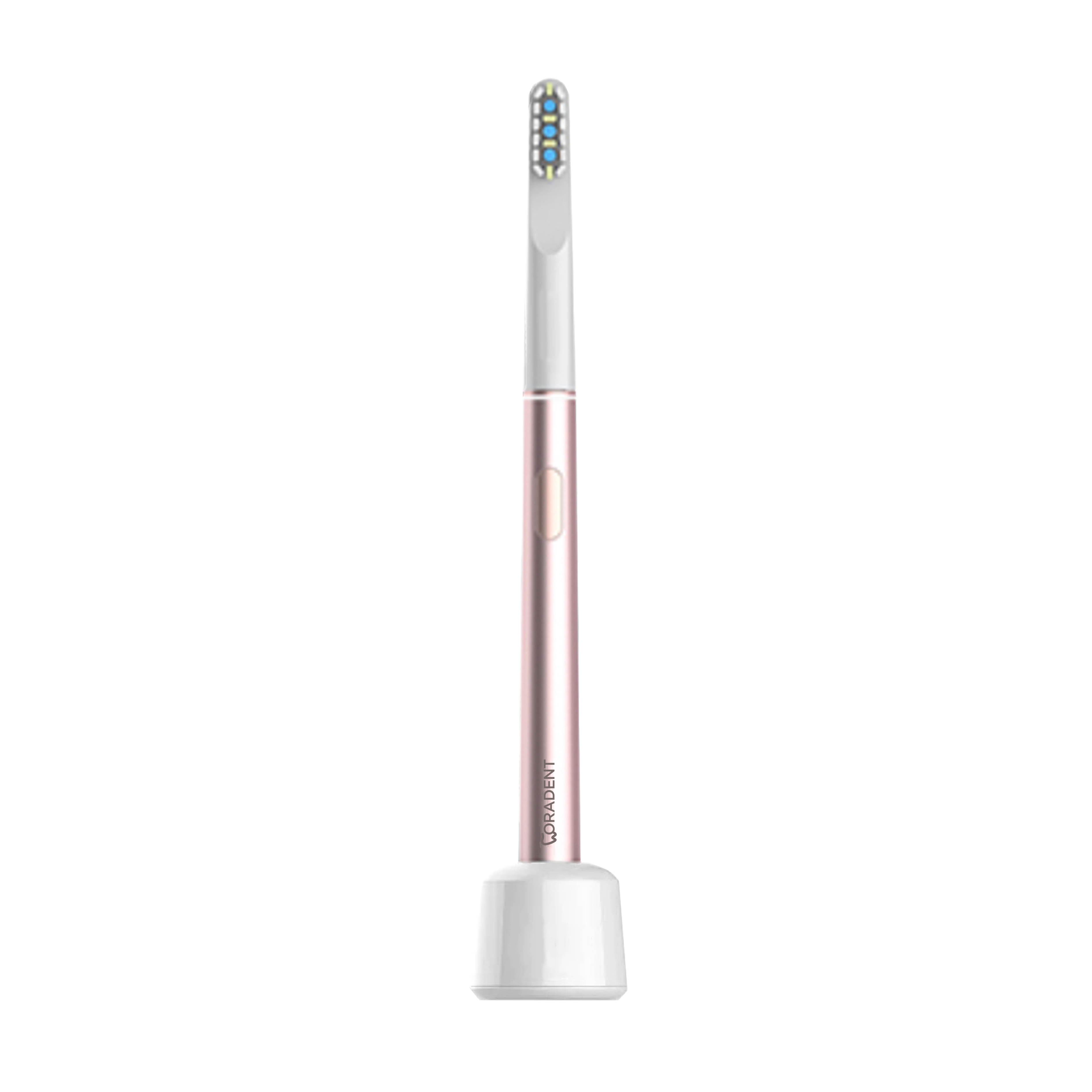
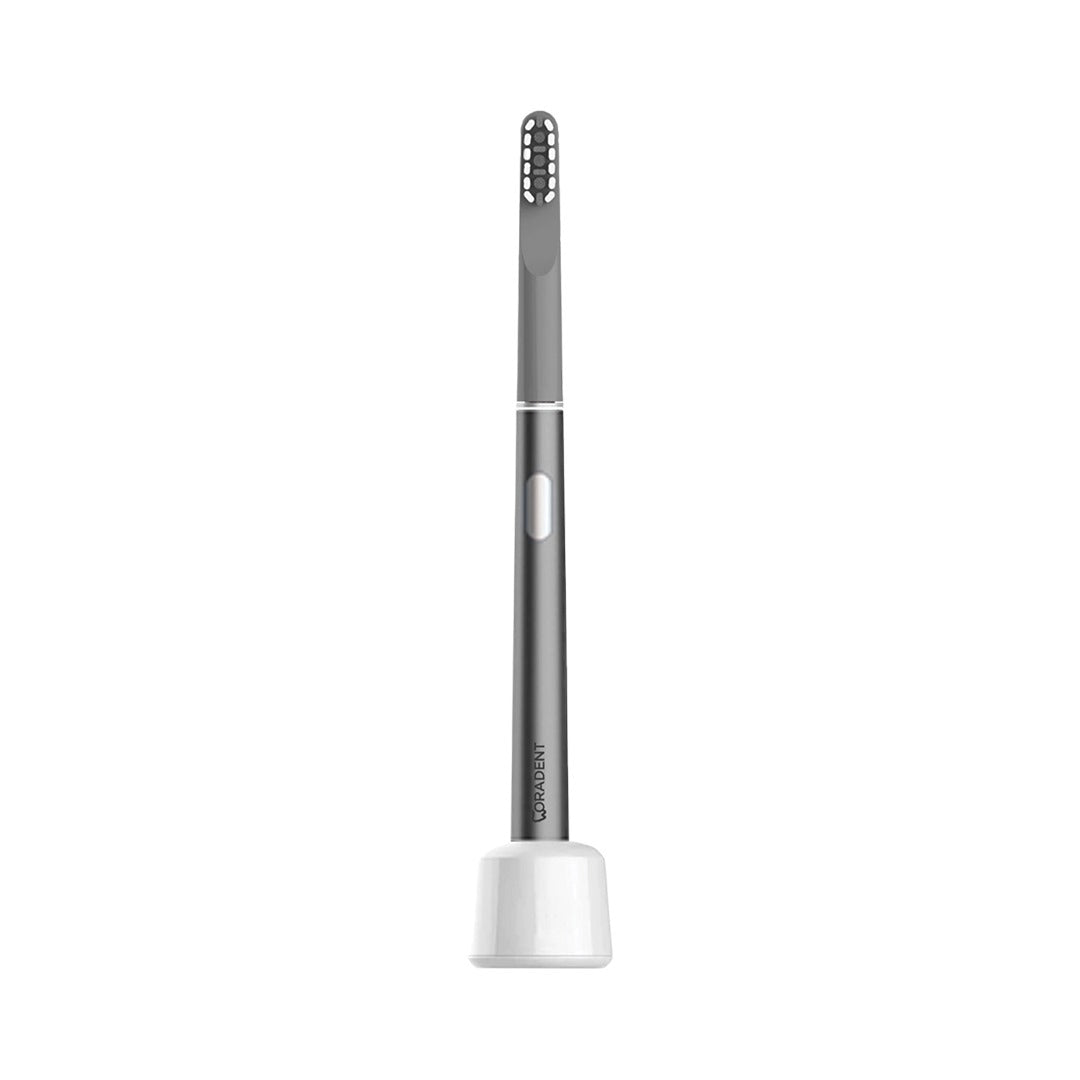
The correct way to use a sonic toothbrush is to hold the brush at a 45-degree angle toward your gumline, let the vibrations do the work (don’t scrub), and slowly guide it across each tooth for about 2 minutes total (30 seconds per quadrant). Gentle pressure and consistent movement are key for effective cleaning.
At a Glance: Proper Sonic Brushing Technique
-
Brush for 2 minutes daily (twice a day)
-
Use a 45-degree angle toward gums
-
Don’t scrub — let the brush vibrate
-
Move slowly across teeth (tooth-by-tooth)
-
Use pea-sized toothpaste
-
Rinse brush after every use
Why Switching to a Sonic Toothbrush Matters
If you’ve recently upgraded to a sonic toothbrush, you’re already ahead of the game. These brushes use high-frequency vibrations often 30,000+ strokes per minute to break down plaque more effectively than manual brushing.
But here’s the catch: using it like a regular toothbrush defeats the purpose.
Many people unknowingly scrub too hard or rush through brushing, which can reduce the benefits or even irritate gums. So understanding how to use a sonic toothbrush properly is what makes the real difference.
How to Use a Sonic Toothbrush Correctly (Step-by-Step)
Let’s break it down into a simple routine you can follow every day:
1. Start with the Right Amount of Toothpaste
Use a pea-sized amount. You don’t need a thick layer, sonic brushes already amplify cleaning power.
2. Position at a 45-Degree Angle
Place the brush head where your teeth meet your gums. This is where plaque builds up the most.
3. Let the Brush Do the Work
This is where most people go wrong.
Don’t scrub back and forth like a manual brush.
Just hold it gently and let the vibrations clean.
4. Move Slowly Across Each Tooth
Glide the brush head slowly from one tooth to the next. Spend about 2–3 seconds per tooth surface.
5. Divide Your Mouth into 4 Sections
Most sonic toothbrush models include a built-in timer.
-
Upper right
-
Upper left
-
Lower right
-
Lower left
Spend 30 seconds per section for a complete clean.
6. Brush All Surfaces
Don’t skip:
-
Outer surfaces
-
Inner surfaces
-
Chewing surfaces
-
Tongue (optional but recommended)
7. Rinse and Clean Your Brush
After brushing:
-
Rinse the brush head thoroughly
-
Let it air dry
-
Store upright
Sonic vs Manual Toothbrush: What’s the Difference?
|
Feature |
Sonic Toothbrush |
Manual Toothbrush |
|
Cleaning Power |
High (vibration-based) |
Depends on user |
|
Plaque Removal |
Up to 10x better in some cases |
Moderate |
|
Technique Required |
Minimal effort |
Needs proper brushing |
|
Timer Feature |
Built-in |
Not available |
|
Gum Protection |
Gentle when used correctly |
Risk of over-brushing |
According to studies referenced by the American Dental Association (ADA), powered toothbrushes can significantly improve plaque removal and gum health when used correctly.
Common Mistakes to Avoid
Even with the best brush, technique matters. Here’s what to watch out for:
Brushing Too Hard
More pressure doesn’t mean cleaner teeth. It can damage enamel and gums.
Moving Too Fast
Rushing means missed spots. Slow and steady wins here.
Skipping the Gumline
Plaque loves hiding here—don’t ignore it.
Not Replacing Brush Heads
Change every 3 months or sooner if bristles fray.
Using It Like a Manual Brush
This cancels out the benefits of a sonic toothbrush.
Pro Tips for Better Results
Want dentist-level results at home? Try this:
-
Use a soft-bristle head for sensitive gums
-
Brush twice daily (morning + night)
-
Pair with flossing or a water flosser
-
Use a timer (or built-in quadpacer)
-
Avoid rinsing immediately after brushing for better fluoride effect
How to Choose the Right Sonic Toothbrush
Not all sonic brushes are created equal. Here’s what to look for:
Buying Checklist
-
Multiple cleaning modes (sensitive, whitening)
-
Built-in timer + quadrant pacing
-
Long battery life
-
Replaceable brush heads
-
Ergonomic design
Explore premium options here: https://oradent.com.au/collections/shop-our-range
Expert Insight
Dental professionals often recommend sonic brushes for patients with:
-
Gum sensitivity
-
Braces or aligners
-
Plaque buildup issues
A review published by the Cochrane Oral Health Group found that powered toothbrushes reduce plaque and gingivitis more effectively than manual ones over time.
FAQs: People Also Ask
1. How often should I use a sonic toothbrush?
Twice daily for 2 minutes each time is ideal.
2. Can I brush too long with a sonic toothbrush?
Yes. Overbrushing can irritate gums. Stick to the recommended 2 minutes.
3. Is a sonic toothbrush safe for sensitive teeth?
Absolutely—just use a sensitive mode and soft bristles.
4. Do I need to press hard for better cleaning?
No. Light pressure works best. Let the vibrations handle plaque removal.
5. Is it better than an electric toothbrush?
Sonic brushes are a type of electric toothbrush, but they use high-frequency vibrations for deeper cleaning.
Final Thoughts
Using a sonic toothbrush correctly isn’t complicated, it just requires a small shift in habit. Once you stop scrubbing and start guiding, you’ll notice cleaner teeth, fresher breath, and healthier gums.
If you’ve been wondering how to use a sonic toothbrush, the answer is simple: slow down, be gentle, and trust the technology.
Ready to upgrade your brushing routine?
Explore Oradent’s advanced range here: https://oradent.com.au/collections/shop-our-range