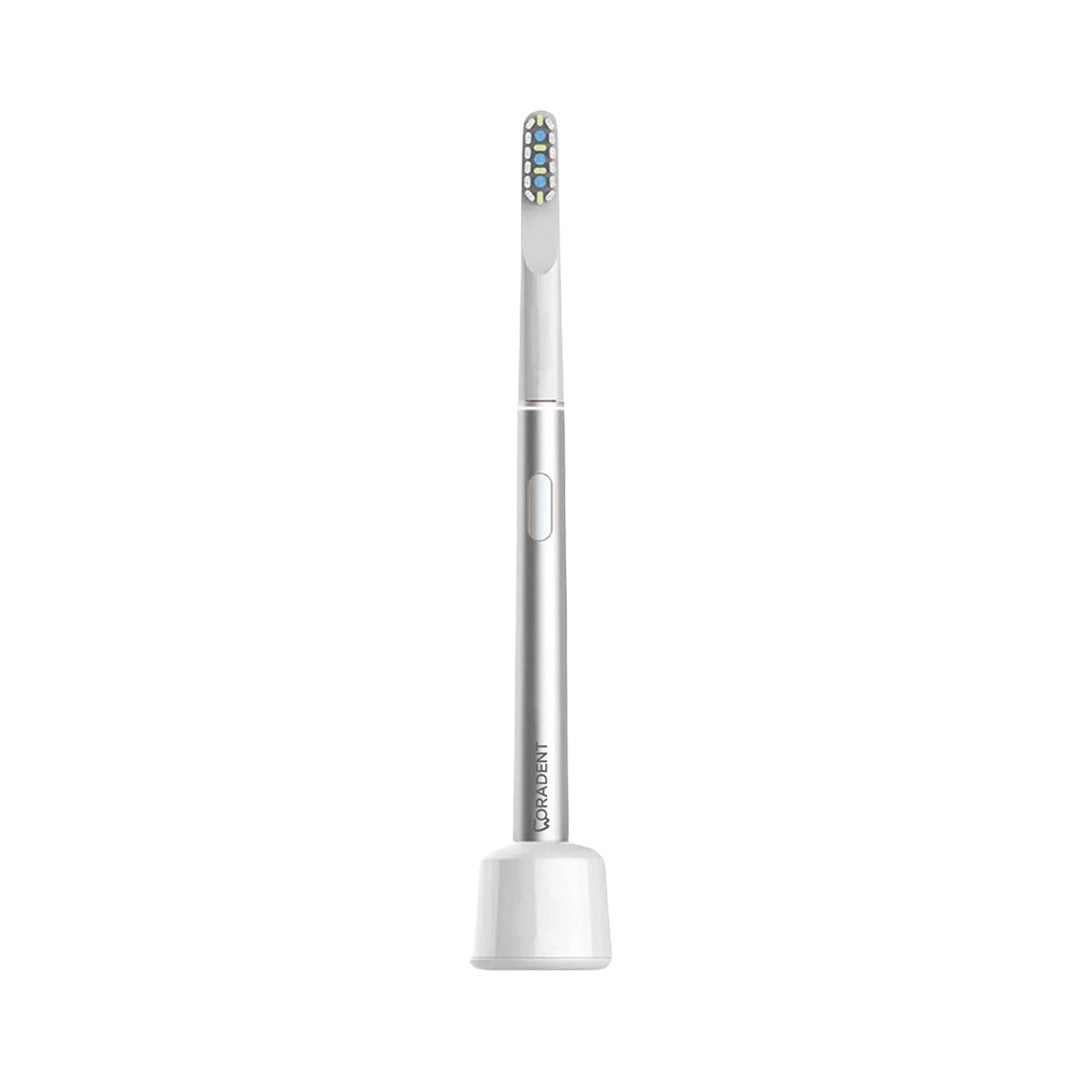
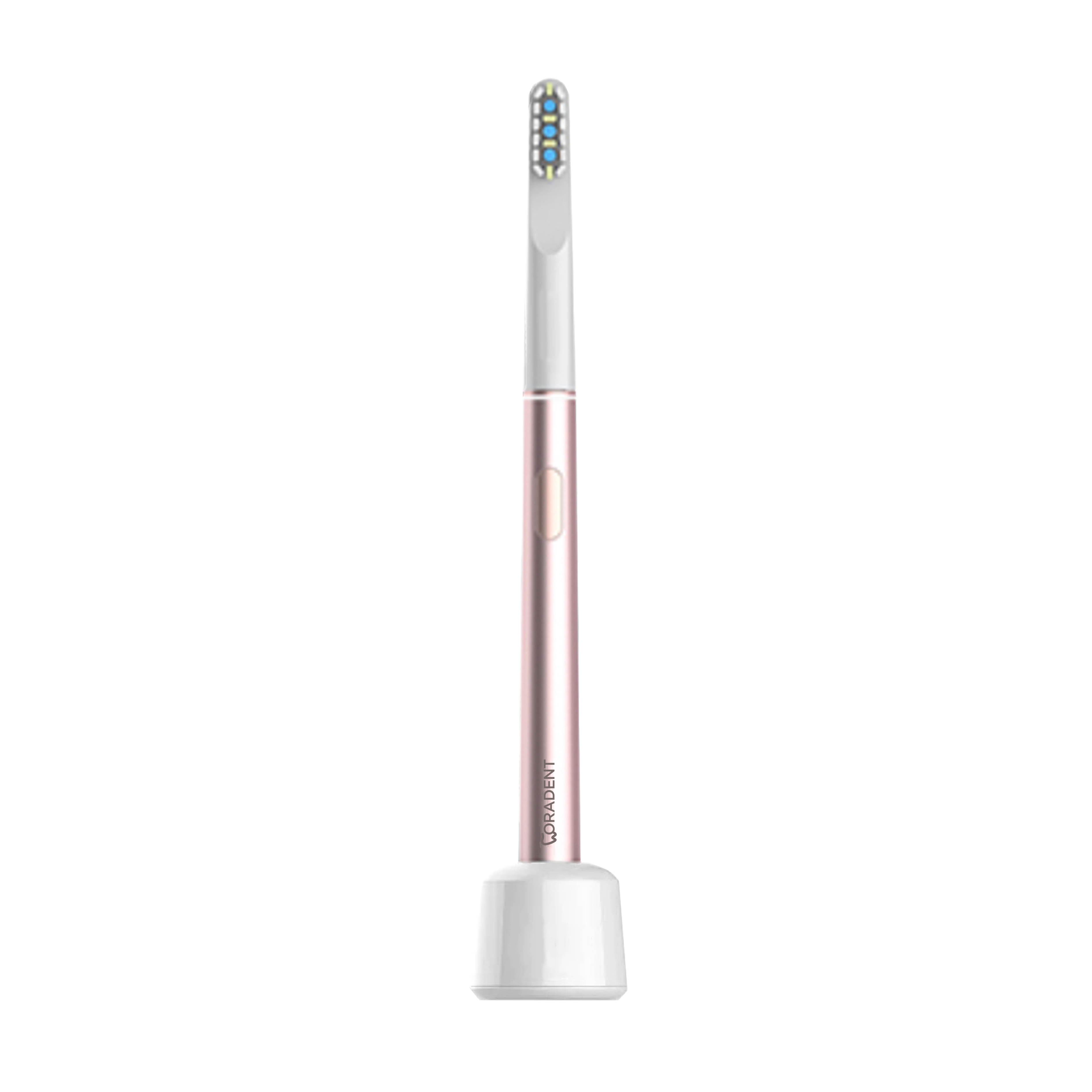
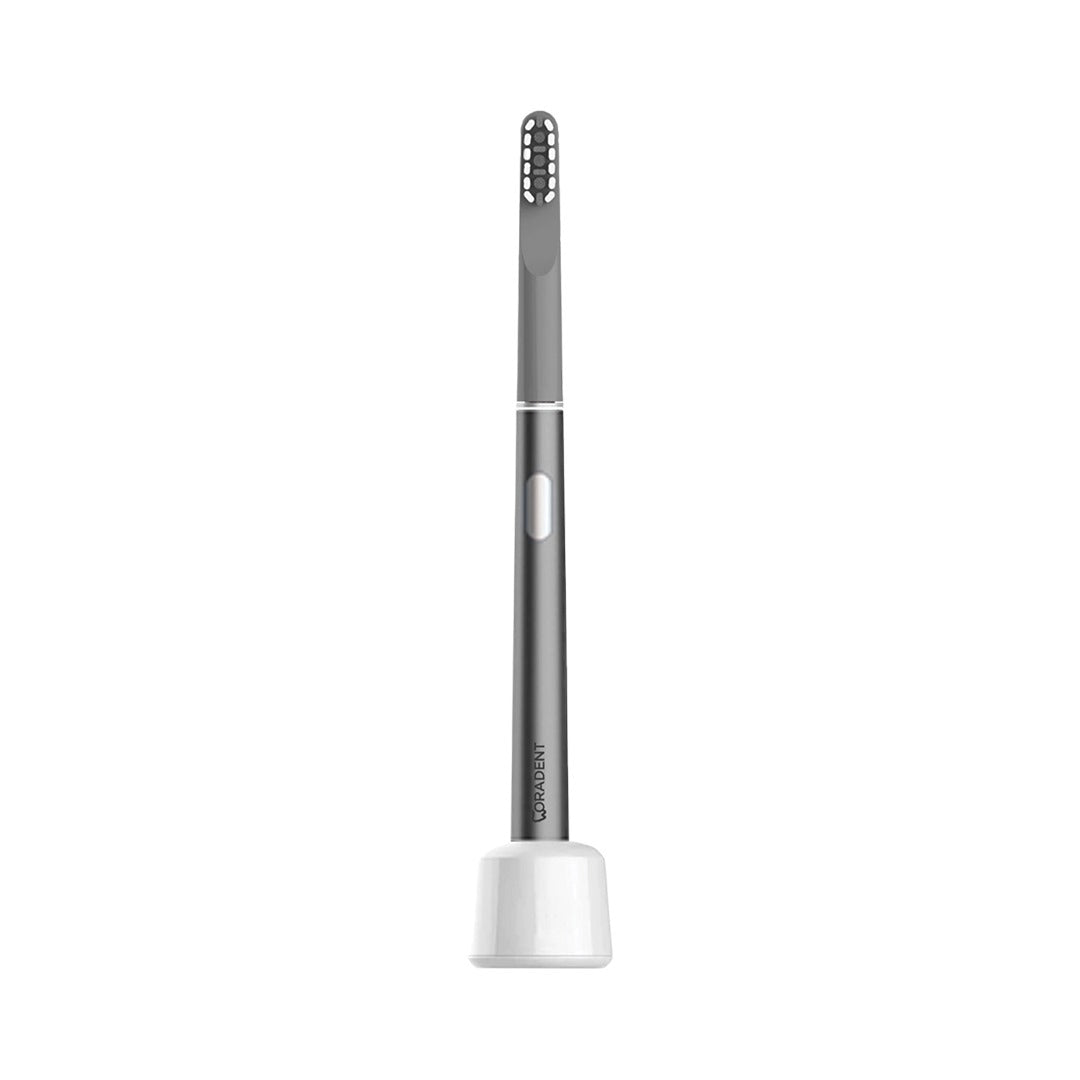
If your teeth feel dirty after brushing, it’s usually due to leftover plaque, poor brushing technique, or buildup in hard-to-reach areas. Studies show that up to 40% of plaque can remain after rushed brushing. The fix? Better technique, the right tools, and a consistent oral care routine.
Upgrade your oral care routine with dentist-recommended tools from Oradent: https://oradent.com.au/collections/shop-our-range
At a Glance
-
Plaque buildup is the #1 reason teeth feel unclean
-
Brushing less than 2 minutes leaves residue behind
-
Wrong toothbrush = ineffective cleaning
-
Skipping flossing leads to hidden buildup
-
Fixing technique can improve results in days
Why Do My Teeth Still Feel Dirty After Brushing?
Let’s be real, brushing your teeth and still feeling that weird “film” is frustrating. If you’re wondering why teeth still feel unclean after brushing, you’re not alone.
Here are the most common reasons behind it:
1. Are You Missing Plaque Buildup After Brushing?
Plaque is a sticky layer of bacteria that forms on your teeth throughout the day. If it’s not removed properly, it creates that fuzzy or dirty feeling.
According to the American Dental Association, plaque can harden into tartar within 24–72 hours if not cleaned effectively.
This is the biggest reason for plaque buildup after brushing.
2. Are You Brushing Too Fast?
Most people brush for less than a minute. Dentists recommend at least 2 minutes, twice a day.
If you rush:
-
You miss back teeth
-
You skip gum lines
-
You don’t break down plaque properly
3. Is Your Brushing Technique Wrong?
It’s not just about brushing—it’s how you brush.
Common mistakes:
-
Scrubbing too hard
-
Ignoring inner surfaces
-
Not brushing at a 45-degree angle
Bad technique = leftover debris.
4. Are You Skipping Flossing?
Brushing alone cleans only about 60% of your tooth surfaces. The rest? That’s where floss comes in.
If you don’t floss:
-
Food particles stay stuck
-
Bacteria multiply between teeth
-
Your mouth never feels fully clean
5. Could Your Toothbrush Be the Problem?
Not all toothbrushes are equal.
A worn-out or low-quality brush:
-
Doesn’t reach tight spaces
-
Fails to remove plaque effectively
-
Leaves behind that “dirty” feeling
Electric toothbrushes, especially sonic ones, are known to remove more plaque than manual brushing.
6. Are You Dealing with Dry Mouth?
Saliva plays a huge role in cleaning your mouth naturally.
Low saliva =
-
More bacteria buildup
-
Sticky feeling on teeth
-
Bad breath
The Mayo Clinic notes that dry mouth can significantly increase plaque accumulation.
7. Is Tartar Already Formed?
If plaque isn’t removed, it hardens into tartar—and brushing won’t remove it.
You’ll need professional cleaning to fix this.
What Are the Best Fixes for Teeth That Feel Dirty?
Let’s get practical. Here’s how to fix the issue step by step.
Step-by-Step: How to Actually Get Clean Teeth
-
Brush for a full 2 minutes
-
Use a soft-bristled or electric toothbrush
-
Hold the brush at a 45-degree angle
-
Clean all surfaces (front, back, chewing)
-
Floss daily (non-negotiable)
-
Rinse with an antibacterial mouthwash
-
Replace your toothbrush every 3 months
Stick to this routine, and you’ll notice a difference fast.
Manual vs Electric Toothbrush: What Works Better?
|
Feature |
Manual Toothbrush |
Electric Toothbrush |
|
Plaque removal |
Moderate |
High |
|
Ease of use |
Basic |
Very easy |
|
Timer function |
❌ No |
✅ Yes |
|
Gum care |
Depends on technique |
More consistent |
|
Cost |
Low |
Medium to high |
If your teeth feel dirty after brushing, switching to an electric brush can be a game-changer.
What Products Actually Help?
When it comes to oral care, quality matters.
Look for:
-
Sonic toothbrush technology
-
Soft, dense bristles
-
Fluoride toothpaste
-
Alcohol-free mouthwash
Oradent offers a range of tools designed to improve cleaning efficiency without damaging your gums.
Buying Checklist: Choose the Right Oral Care Tools
Before you upgrade your routine, check this:
-
Soft bristles (gentle on gums)
-
Ergonomic handle or electric grip
-
Timer feature (for 2-minute brushing)
-
Replaceable brush heads
-
Trusted brand reputation
What Do Experts Say?
-
The Centers for Disease Control and Prevention highlights that proper brushing and flossing are key to preventing plaque-related issues.
-
Dental professionals agree that inconsistent technique is the #1 cause of poor oral hygiene results.
How Long Does It Take to Fix the Problem?
Good news—it doesn’t take forever.
-
Within 3–5 days: cleaner feeling teeth
-
Within 2 weeks: noticeable improvement in gum health
-
Within 1 month: better overall oral hygiene
Consistency is everything.
FAQs
1. Why do my teeth feel dirty even after brushing twice a day?
Because brushing alone isn’t enough. You likely need better technique and flossing to remove hidden plaque.
2. Is it normal for teeth to feel rough after brushing?
No. Smooth teeth are a sign of proper cleaning. Roughness often means leftover plaque.
3. Can mouthwash replace brushing?
No. Mouthwash supports your routine but doesn’t remove plaque like brushing does.
4. How do I know if I have plaque buildup?
Look for a fuzzy feeling, bad breath, or yellowish film on teeth.
Final Thoughts
If your teeth feel dirty after brushing, it’s not about brushing harder it’s about brushing smarter.
Small changes like improving your technique, flossing daily, and upgrading your tools can completely change how your teeth feel.
Once you get it right, that clean, smooth feeling becomes your new normal.