Considering the move to an electric toothbrush but not sure what is the truth or pure propaganda? You’re not alone. There is a lot of myth about electric brushes; people might claim that they are better at cleaning your teeth or that it can harm your gums. The truth? Researchers indicate that individuals who brush their teeth with an electric toothbrush can take off 21 percent more plaque and enhance the health of the gums much better than those who brush with a manual toothbrush.
At a glance:
Primary urban legend debunked: Electric toothbrushes are abrasive to the gums.
Benefit: Excellent plaque-removal and health of the gums.
Prescription: 2 min time taken twice a day.
Hint: Change heads after every 3 months to maintain optimum hygiene.
Myth 1: Electric Toothbrushes Damage Gums
One would assume that a vibrating brush could be dangerous to your gums but the truth is not so. Facts about dental cleaning indicate that the proper use of an electric toothbrush in a gentle way will promote the health of the gum enhancing the circulation and avoiding inflammation. Where it is not necessary to press a lot, leave it to the brush.
Life hack: You can have the brush at 90 degrees to your gumline and move it slowly straight across every tooth.
Myth 2: You Don’t Need to Floss If You Use an Electric Toothbrush
There is an opinion that it is sufficient to brush with electricity. As a matter of fact, dental hygiene involves more than brushing. Flossing can be used to remove the litter between teeth that the best electric toothbrush cannot get to. Consider it a kind of one two punch, polishing the surface, flossing the hard to reach areas.
Quick fact: Flossing daily reduces gum disease risk by up to 40% (Journal of Dental Research, 2022).
Myth 3: All Electric Toothbrushes Are the Same
Not all brushes are created equal. When choosing an electric toothbrush, consider:
|
Feature |
Manual Brush |
Basic Electric |
Advanced Electric |
|
Plaque removal efficiency |
Moderate |
High |
Very high |
|
Timer function |
None |
2 min standard |
2+ zone timers |
|
Pressure sensors |
None |
Some |
Yes |
|
Gum health benefits |
Limited |
Moderate |
Strong |
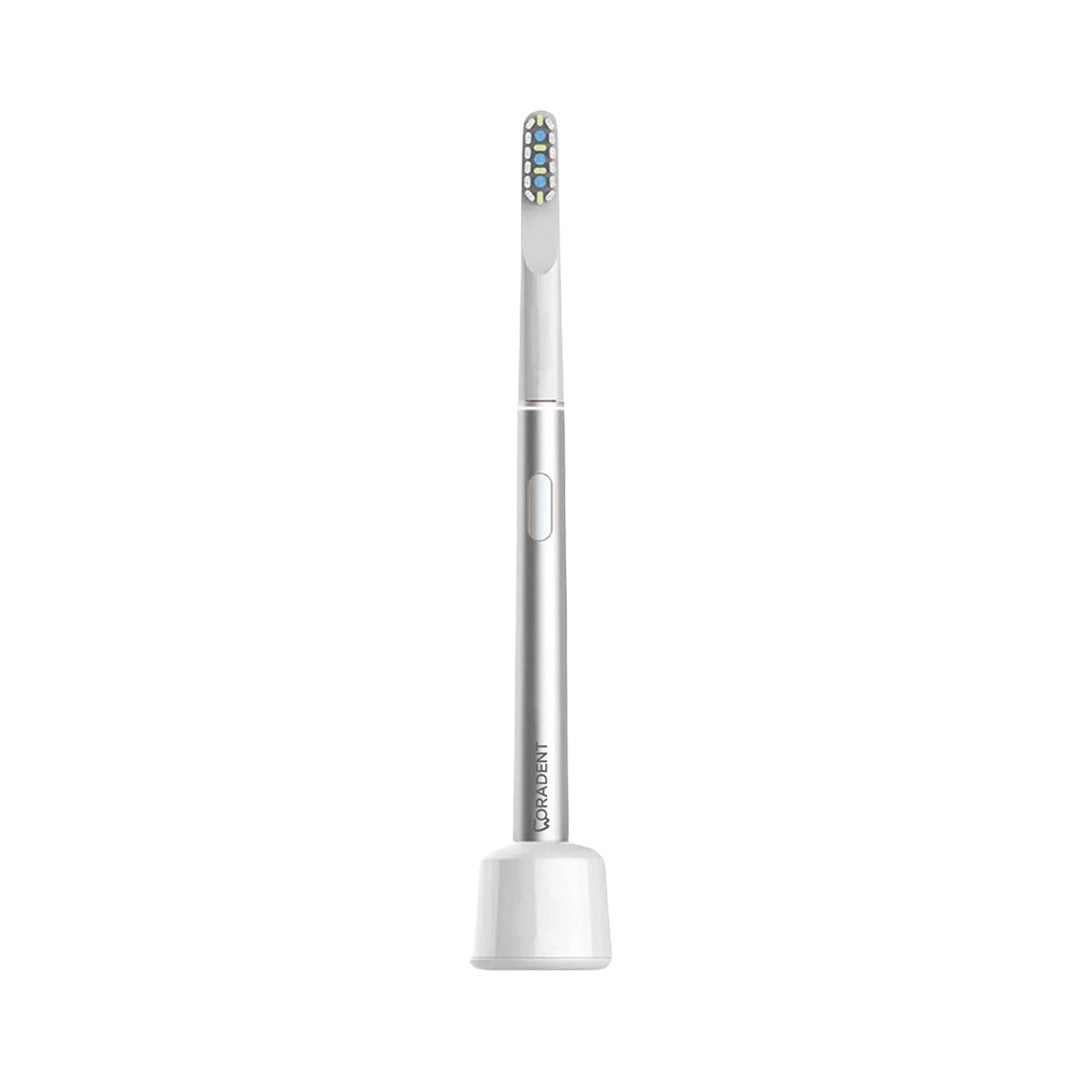
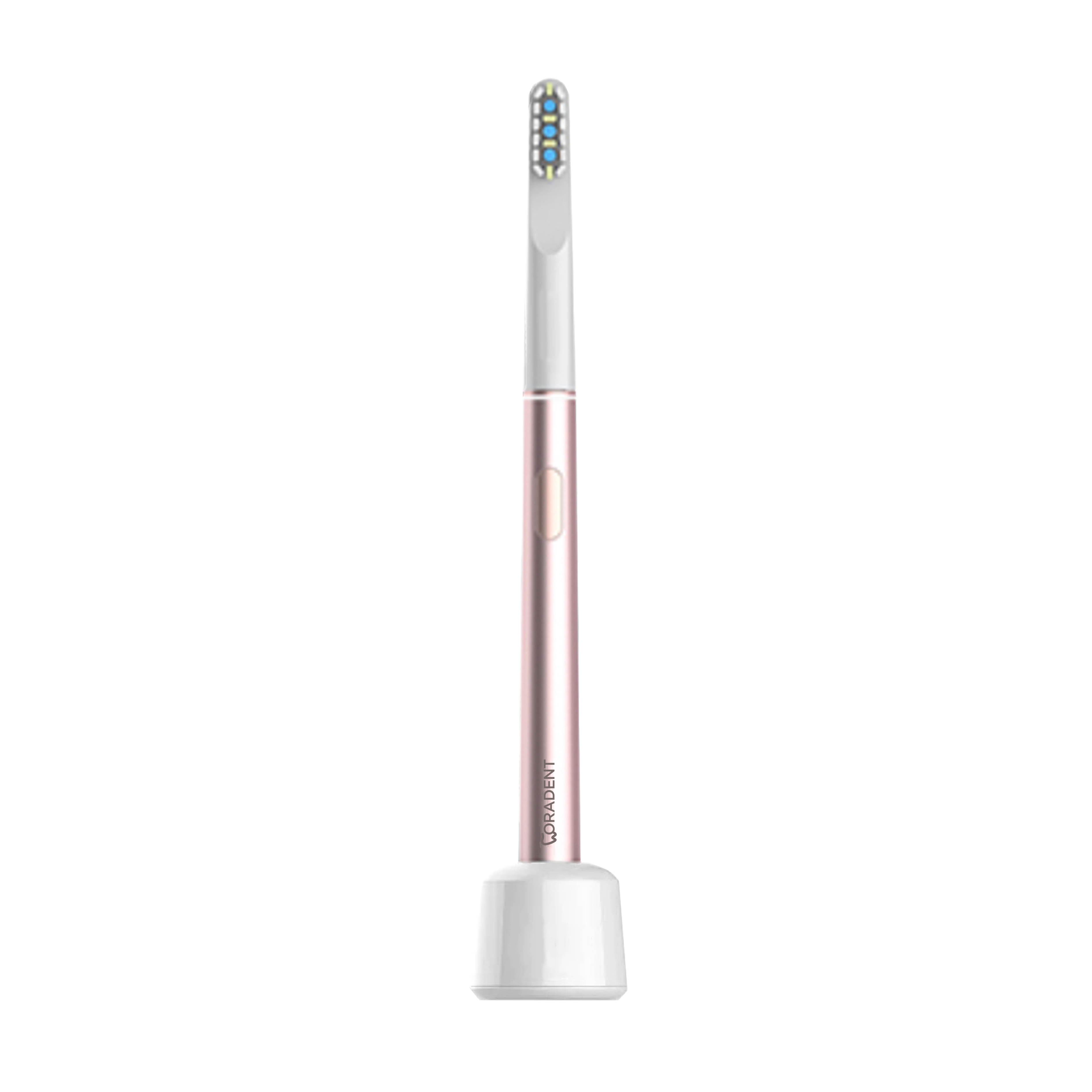
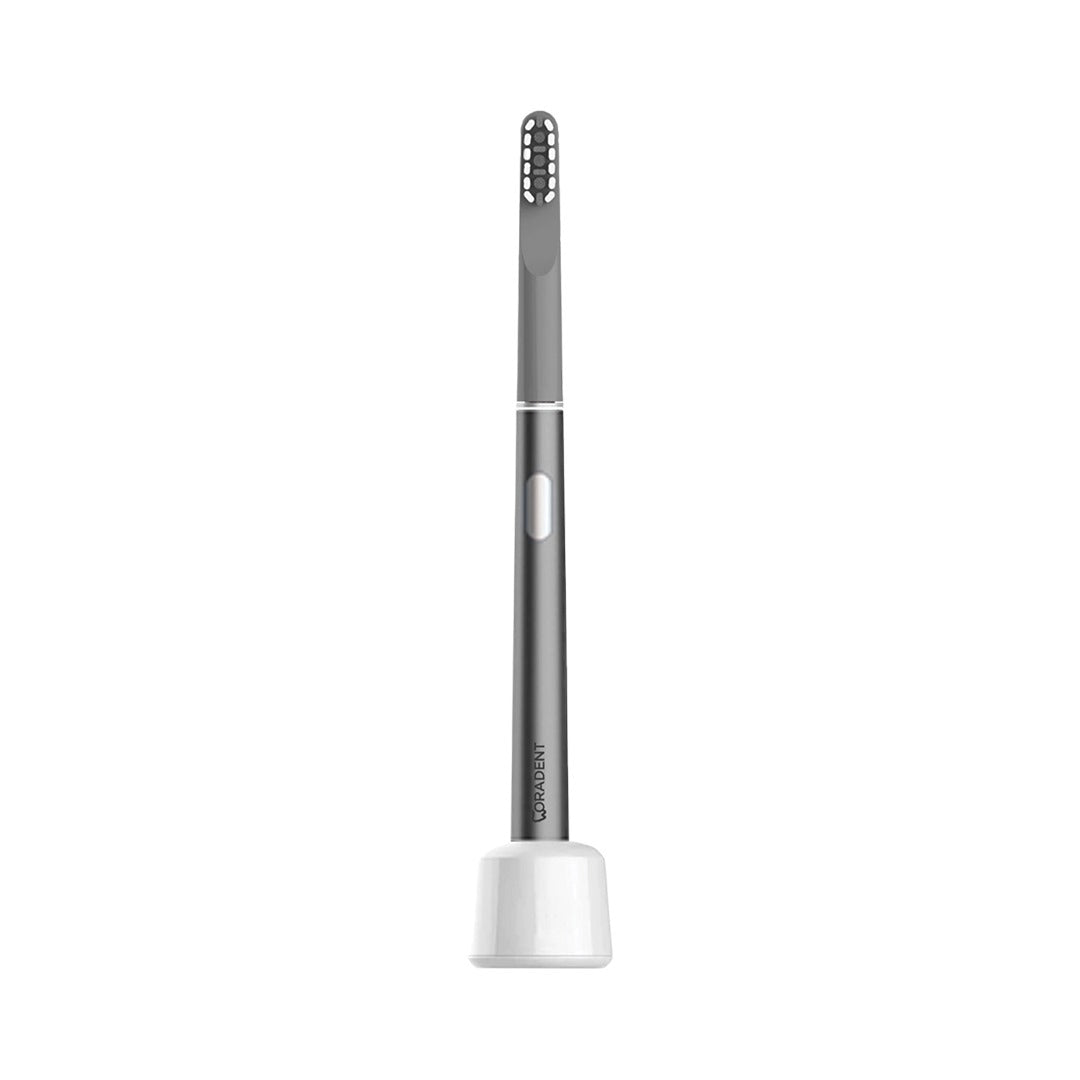
A high-quality brush from a trusted brand like Oradent ensures effective cleaning without harming gums.
Myth 4: Electric Brushes Are Hard to Use
Many first-timers worry about learning a new device. The reality? Most flowing electric toothbrushes are intuitive. Simply turn it on, guide it slowly over each tooth, and let it do its work. It’s easier than manual brushing and even encourages longer, more thorough sessions.
Pro tip: Use the built-in timer to hit the dentist-recommended 2 minutes.
Myth 5: You Don’t Need to Replace Brush Heads Often
Reusing old brush heads is a common mistake. Dental cleaning facts stress that worn bristles are less effective and can harbor bacteria. Replace your electric toothbrush head every 3 months, or sooner if the bristles look frayed. This keeps your gum health intact and your brushing hygienic.
How to Maximize Electric Toothbrush Benefits
Here’s a simple 5-step routine for top dental hygiene with your electric brush:
-
Wet bristles and apply toothpaste
-
Angle the brush at 45 degrees to your gums
-
Let the brush move naturally across each tooth for 30 seconds per quadrant
-
Rinse thoroughly after brushing
-
Floss or use interdental brushes to clean between teeth
Electric vs Manual Toothbrush: The Real Differences
|
Aspect |
Manual Brush |
Electric Toothbrush |
|
Plaque removal |
Moderate |
Up to 21% more effective |
|
Gum health improvement |
Moderate |
Significant |
|
Ease of use |
High effort required |
Easier, consistent coverage |
|
Timed brushing |
No |
Built-in timers |
Bottom line: If you want cleaner teeth and healthier gums, an electric toothbrush gives you a measurable advantage.
FAQs
1. Can electric toothbrushes replace professional cleanings?
No. Regular dental check-ups are still essential. An electric brush helps maintain your results.
2. Are electric toothbrushes safe for sensitive gums?
Yes. Choose one with a soft-bristle head and gentle mode for optimal gum health.
3. How often should I brush with an electric toothbrush?
Twice a day, 2 minutes each session, is ideal.
4. Can kids use electric toothbrushes?
Absolutely. Many come in smaller sizes with fun features for children.
Key Takeaways
-
Electric toothbrushes are safe and effective for dental hygiene and gum health.
-
Daily flossing is still necessary for optimal results.
-
Replace brush heads every 3 months to maintain hygiene.
-
Choose a model with timers, soft bristles, and pressure sensors for the best results.
Start Your Electric Toothbrush Routine
Switching to an electric toothbrush can feel like a small change—but it makes a huge difference for your teeth and gums. Oradent’s range of electric brushes is designed for easy, effective, and hygienic brushing.
Shop Oradent Electric Toothbrushes