Some oral care myths have been around for so long that they feel like facts. Hard brushing cleans better. Bleeding gums are normal. More foam means a better clean. Believing them can make your routine less effective, and sometimes harder on your teeth and gums.
Here are the most common myths, grouped by topic, with the simple facts that replace them.
Myths about brushing
Myth: brushing harder cleans better. Plaque is soft, so it does not need force to remove. Scrubbing hard can wear enamel and irritate gums over time. A soft brush, a light touch and enough time do a better job.
Myth: brushing once a day is enough. Brushing twice a day for two minutes with fluoride toothpaste is the standard guidance. The night brush matters most, because saliva flow drops while you sleep and plaque left behind has hours to sit.
Myth: rinse well after brushing. Spitting out the toothpaste without a big rinse leaves a little fluoride on your teeth, which is what you want.
Myth: an electric toothbrush is just a fancy manual brush. A manual brush can clean well, but it relies entirely on your technique. An electric toothbrush creates consistent movement for you and often includes a timer, which makes a thorough two minute brush easier to repeat. We look at this in more detail in is an electric toothbrush better than manual.
Myths about gums
Myth: bleeding gums are normal. Healthy gums should not bleed regularly. Bleeding when you brush is often an early sign of inflammation from plaque along the gumline. Gentle, thorough brushing helps, and if bleeding continues, see your dentist.
Myth: if your gums bleed, avoid brushing there. Skipping those areas lets plaque build up further. Brush them gently with a soft head instead.
Myth: white teeth are healthy teeth. Colour is not a measure of health. Teeth can look bright and still have decay or gum problems underneath. Regular check-ups are the only way to know.
Myths about toothpaste, flossing and sugar
Myth: more foam means a better clean. Foam is mostly a feel factor. What matters is fluoride and how well you brush, not how many bubbles you make.
Myth: natural toothpaste is always safer. Natural does not automatically mean effective. Fluoride is one of the most well established ingredients for protecting teeth against decay, so check that your toothpaste contains it unless your dentist advises otherwise.
Myth: flossing is optional. A toothbrush cannot reach the tight spaces between teeth. Cleaning between them once a day with floss or interdental brushes removes plaque your brush misses.
Myth: sugar instantly rots teeth. Decay builds up over time when bacteria feed on sugars again and again. How often you have sugary food and drink matters more than a single treat, so keep sweets to mealtimes where you can.
Myth: you should brush straight after every meal. After acidic food or drinks, such as citrus or soft drinks, it can be better to wait a while before brushing, or to rinse with water first.
Myths about toothbrushes
Myth: a toothbrush head lasts until it falls apart. Bristles wear long before they look ruined. Replace your head about every three months, or sooner if the bristles splay. Our guide to the signs it is time to replace your head explains what to look for.
Myth: a toothbrush cleans itself. Rinse the head well after each use, let it dry upright in the open air and wipe the body from time to time. Read more on how to clean an electric toothbrush.
Questions
Are electric toothbrushes better for gums?
An electric toothbrush makes gentle, consistent brushing easier, which suits gums well. The most important things are a soft head, a light touch and two full minutes twice a day.
Is it bad to brush too often?
Twice a day is enough for most people. Brushing many more times, especially with force, can be hard on enamel and gums, so rinse with water between meals instead.
Can you still get cavities if you brush twice a day?
Yes. Frequent sugary snacks, skipping cleaning between teeth or rushing your brush can all leave you at risk. Regular dental check-ups help catch problems early.
Do kids need a different oral care routine?
Children need age appropriate brushes, toothpaste and supervision, so ask your dentist what suits them. The basics of brushing twice a day and cleaning between teeth stay the same.
A simple routine that works
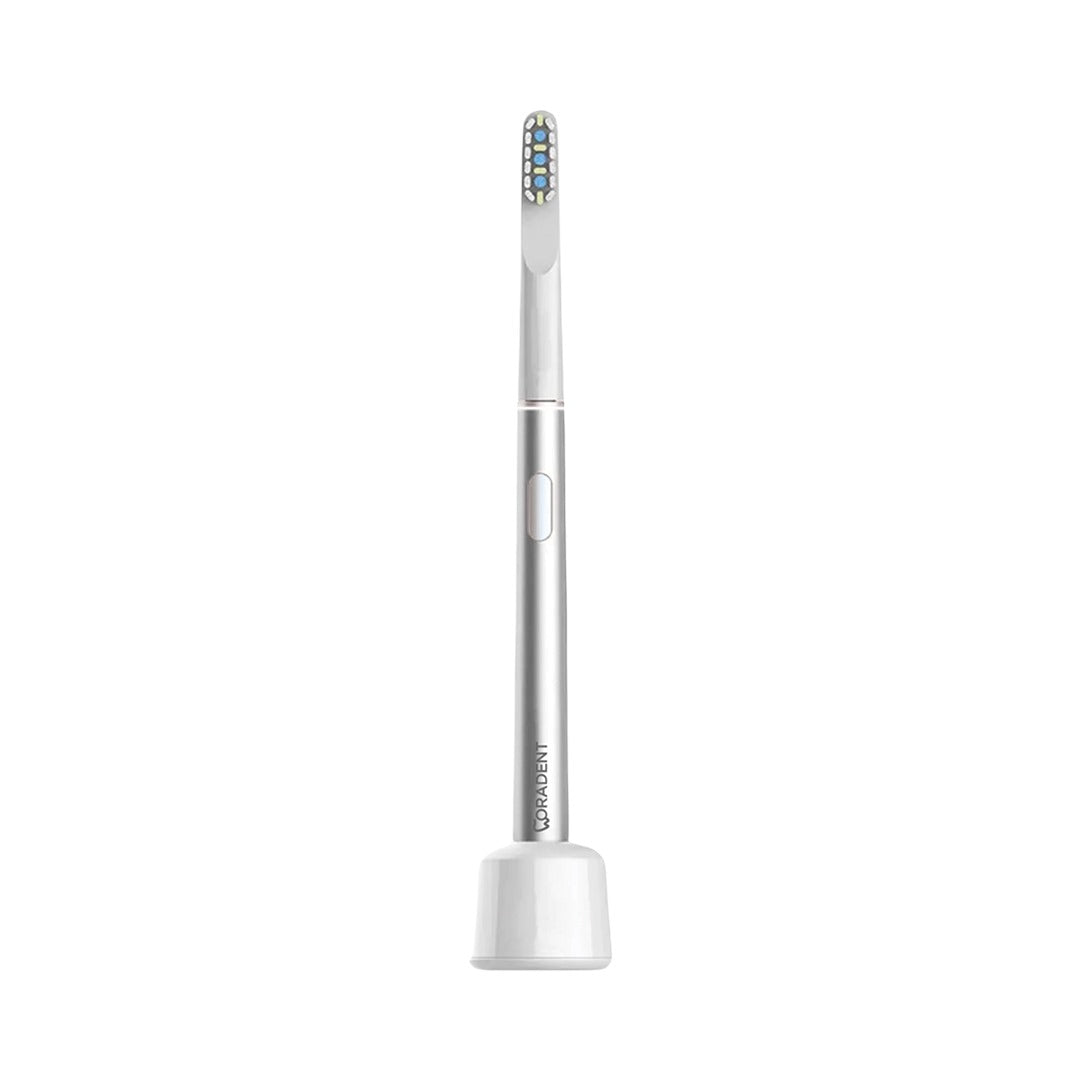
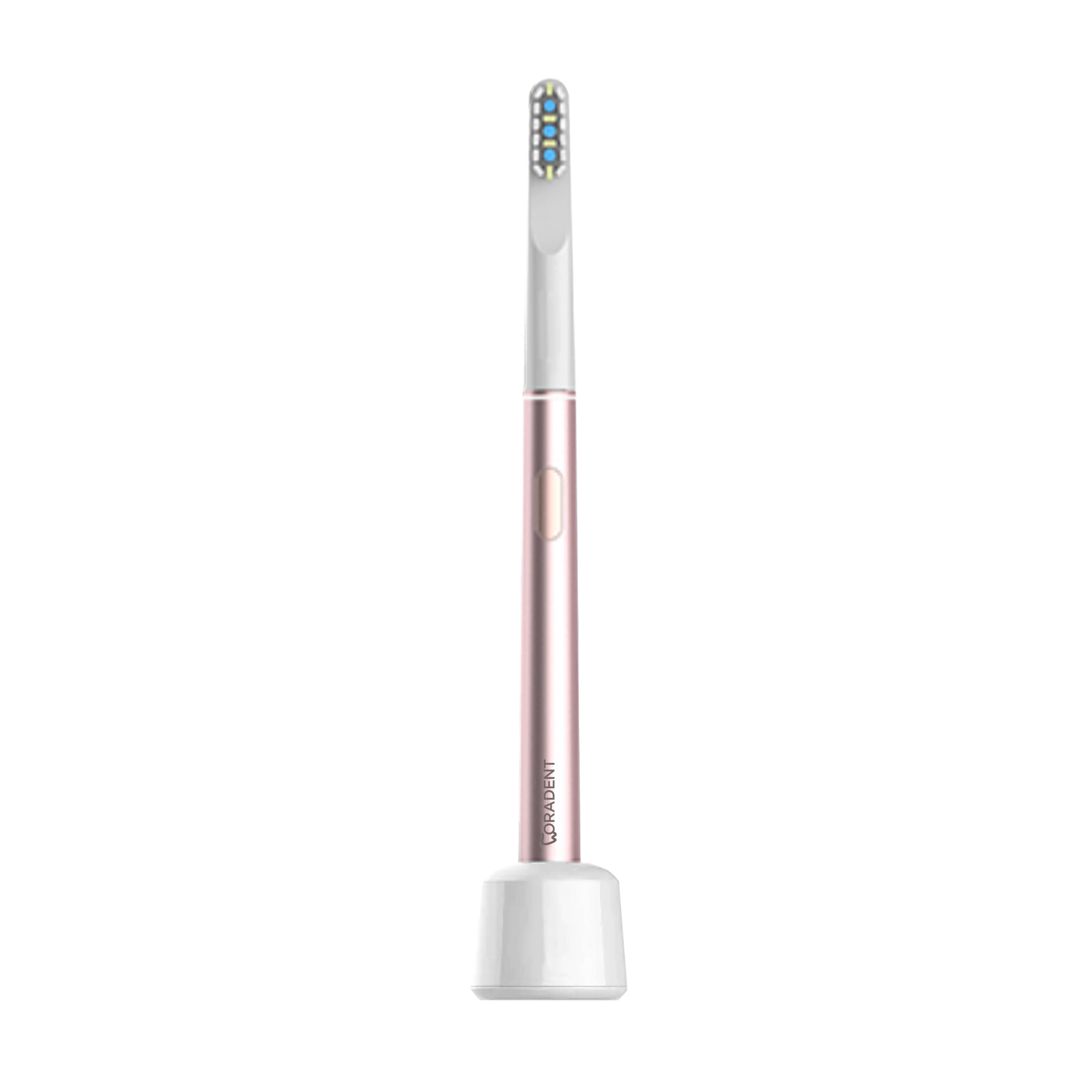
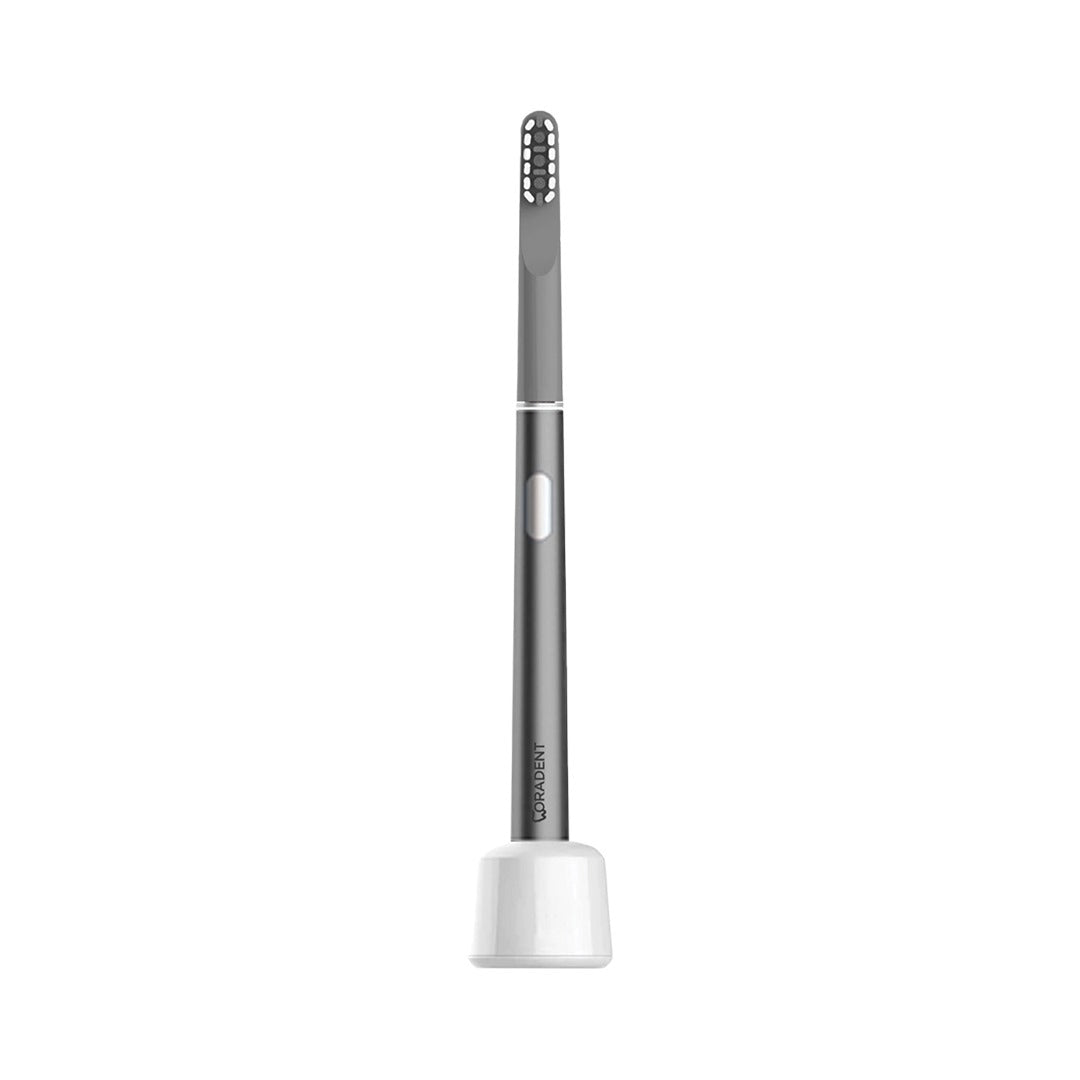
PulseONE is designed to make the facts easy to follow. SmartSense Brushing technology gives you a two minute timer with a buzz every 30 seconds, three modes include a gentle Sensitive setting, and SonicSweep technology means you only need a light touch.
Explore the PulseONE sonic toothbrush, Designed in Australia and backed by our 7 day smile guarantee.