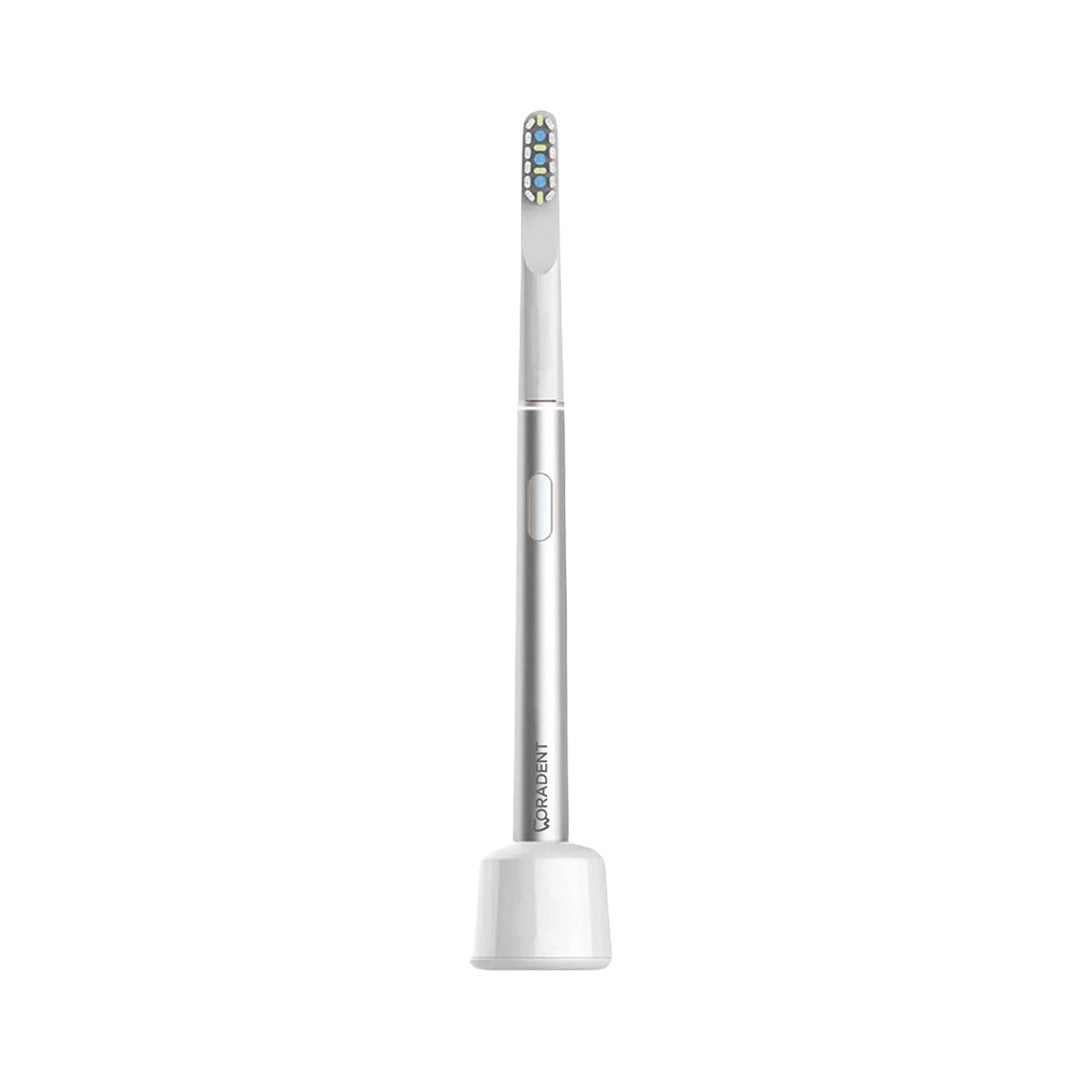
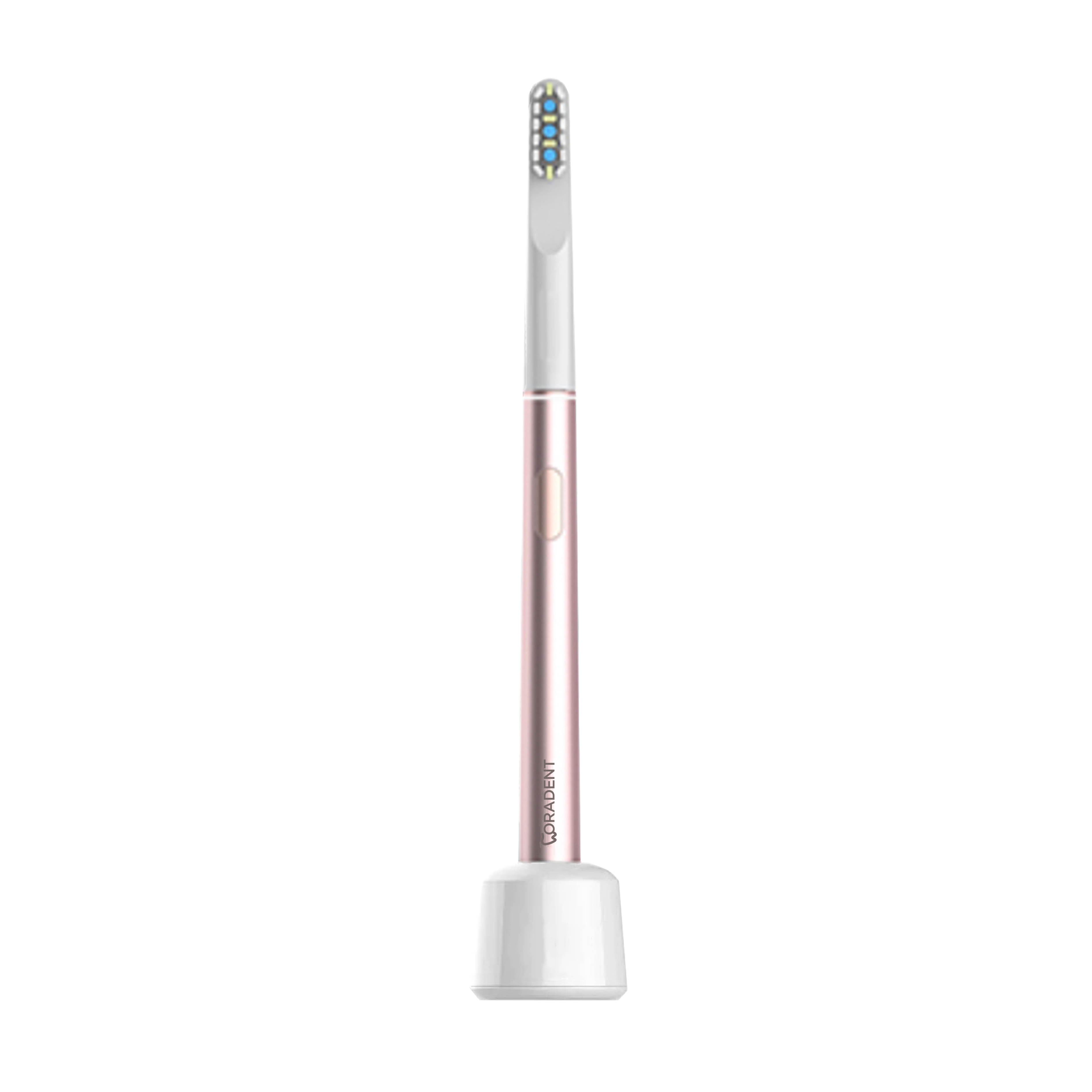
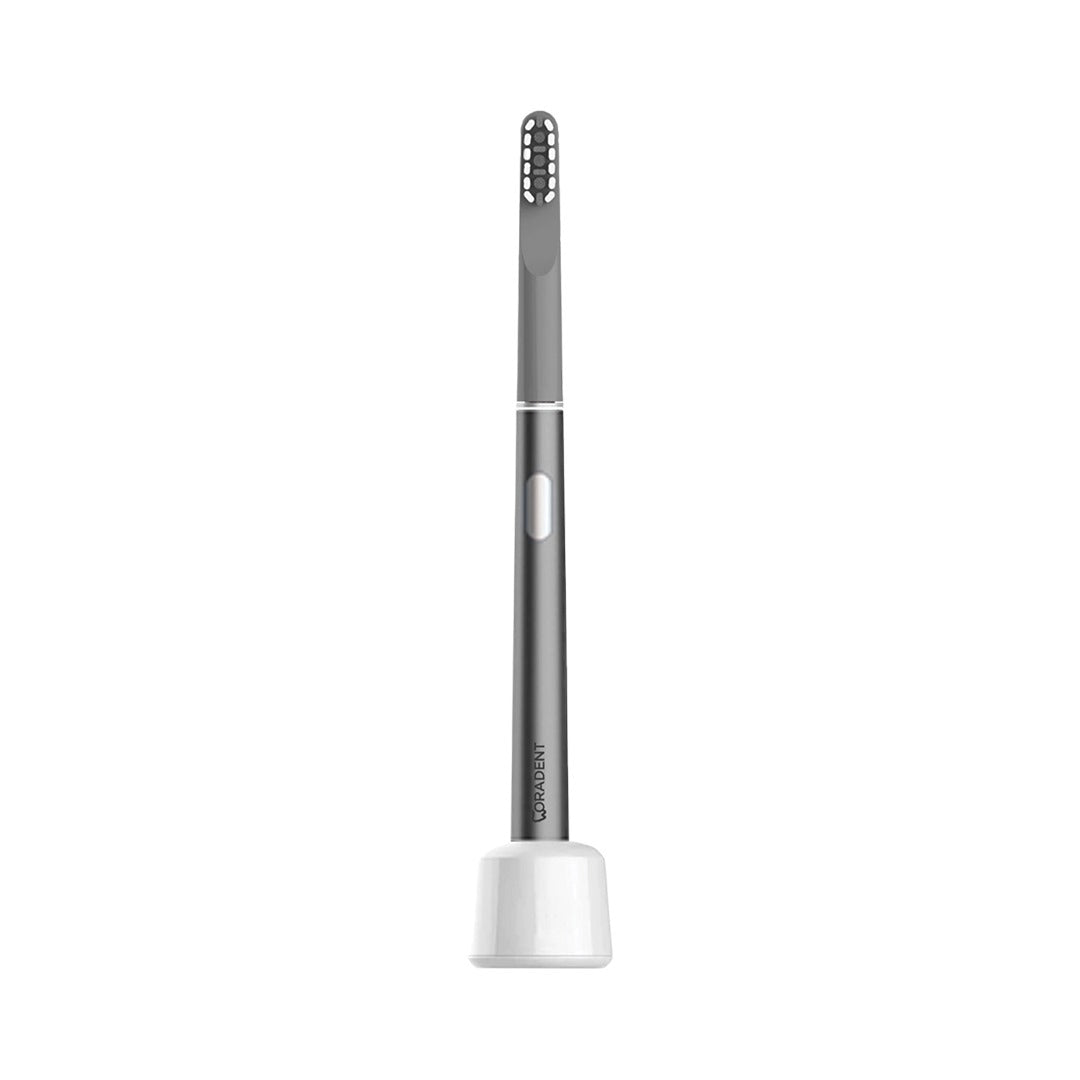
If your teeth hurt when brushing, the best toothbrush for sensitive teeth is one with ultra-soft bristles, gentle vibration (if electric), and pressure control. Dentists often recommend brushing twice daily for 2 minutes with a soft brush to reduce irritation and protect enamel, according to the American Dental Association (ADA).
Shop gentle oral care tools here: https://oradent.com.au/collections/shop-our-range
At a Glance: What Makes the Best Toothbrush for Sensitive Teeth?
-
Ultra-soft or soft bristles
-
Small or compact brush head
-
Gentle cleaning mode (for electric brushes)
-
Pressure sensor to avoid over-brushing
-
Ergonomic handle for better control
-
Non-abrasive brushing experience
Why Do Sensitive Teeth Need a Different Toothbrush?
Sensitive teeth aren’t just annoying, they're a sign your enamel or gums need extra care.
Brushing too hard or using the wrong toothbrush can:
-
Wear down enamel
-
Irritate gums
-
Increase sensitivity over time
The best toothbrush for sensitivity works with your teeth, not against them. It cleans effectively without adding pressure or friction.
According to the Mayo Clinic, using soft-bristled brushes helps reduce gum irritation and enamel damage, two major triggers for sensitivity.
What Features Should You Look For in the Best Toothbrush?
Let’s break it down.
1. Why Are Soft Bristles Non-Negotiable?
Hard bristles might feel like they clean better but they actually do more harm than good.
Soft or ultra-soft bristles:
-
Clean plaque effectively
-
Protect enamel
-
Reduce gum recession risk
If you’re serious about finding the best toothbrush for sensitive teeth, this is your starting point.
2. Does Brush Head Size Matter?
Yes, more than most people think.
A smaller brush head:
-
Reaches tight spots easily
-
Applies less pressure
-
Gives better control
This is especially helpful if your sensitivity is around the gum line or back teeth.
3. Should You Choose Manual or Electric?
Both can work but electric brushes often have an edge.
Quick comparison:
|
Feature |
Manual Toothbrush |
Electric Toothbrush |
|
Control |
Depends on user |
Built-in guidance |
|
Pressure management |
None |
Often includes sensors |
|
Cleaning efficiency |
Moderate |
High |
|
Cost |
Lower |
Higher |
Many electric models come with gentle or sensitive modes, making them a solid option for people dealing with discomfort.
4. What Is a Pressure Sensor (And Why Does It Matter)?
A pressure sensor alerts you when you’re brushing too hard.
Sounds simple but it’s a game changer.
Brushing aggressively is one of the top causes of tooth sensitivity. A sensor helps you build better habits without even thinking about it.
5. What About Handle Design?
You don’t need anything fancy but comfort matters.
Look for:
-
Non-slip grip
-
Lightweight feel
-
Easy maneuverability
A good handle helps you control pressure and angle, which directly impacts how gentle your brushing is.
Step-by-Step: How to Brush Sensitive Teeth Properly
Even the best toothbrush won’t help if your technique is off.
Follow this:
-
Use a soft-bristle toothbrush
-
Apply a small amount of toothpaste (pea-sized)
-
Hold the brush at a 45-degree angle
-
Use gentle circular motions
-
Avoid aggressive scrubbing
-
Brush for at least 2 minutes
-
Rinse gently, don’t over-wash
This routine reduces irritation while keeping your teeth clean.
What Mistakes Should You Avoid?
A lot of sensitivity issues come from habits, not just tools.
Common mistakes:
-
Using hard or medium bristles
-
Brushing too hard
-
Skipping regular brush replacement (every 3 months)
-
Using abrasive toothpaste
-
Ignoring gum health
Fixing these can make a noticeable difference within weeks.
How Do You Know If Your Toothbrush Is Causing Sensitivity?
Here are a few signs:
-
Gums bleed after brushing
-
Teeth feel sharp pain with cold or hot foods
-
You notice gum recession
-
Bristles look frayed quickly
If this sounds familiar, switching to the best toothbrush for sensitive teeth can help almost immediately.
Buying Checklist: Choose the Right Toothbrush
Before you buy, check this:
-
Soft or ultra-soft bristles
-
Small brush head
-
Gentle cleaning mode (if electric)
-
Pressure control feature
-
Comfortable grip
-
Trusted brand quality
Where Can You Find the Best Toothbrush for Sensitive Teeth?
If you’re looking for reliable options designed with comfort in mind, check out: https://oradent.com.au/collections/shop-our-range
Oradent focuses on oral care solutions that are gentle, effective, and easy to use especially for people dealing with sensitivity.
FAQs
What is the best toothbrush for sensitive teeth?
A soft-bristle or ultra-soft electric toothbrush with pressure control is usually the best choice.
Are electric toothbrushes better for sensitivity?
Yes, especially those with gentle modes and pressure sensors.
How often should I replace my toothbrush?
Every 3 months or sooner if bristles fray.
Can the wrong toothbrush cause sensitivity?
Yes. Hard bristles and aggressive brushing can damage enamel and gums.
Should I use special toothpaste too?
Yes, pairing your toothbrush with sensitivity toothpaste can improve results.
Final Thoughts
Finding the best toothbrush for sensitive teeth isn’t complicated but it does require paying attention to the details.
Focus on softness, control, and gentle cleaning. Skip anything that feels harsh or aggressive.
Once you get the right brush and technique, you’ll notice the difference not just in comfort, but in overall oral health.