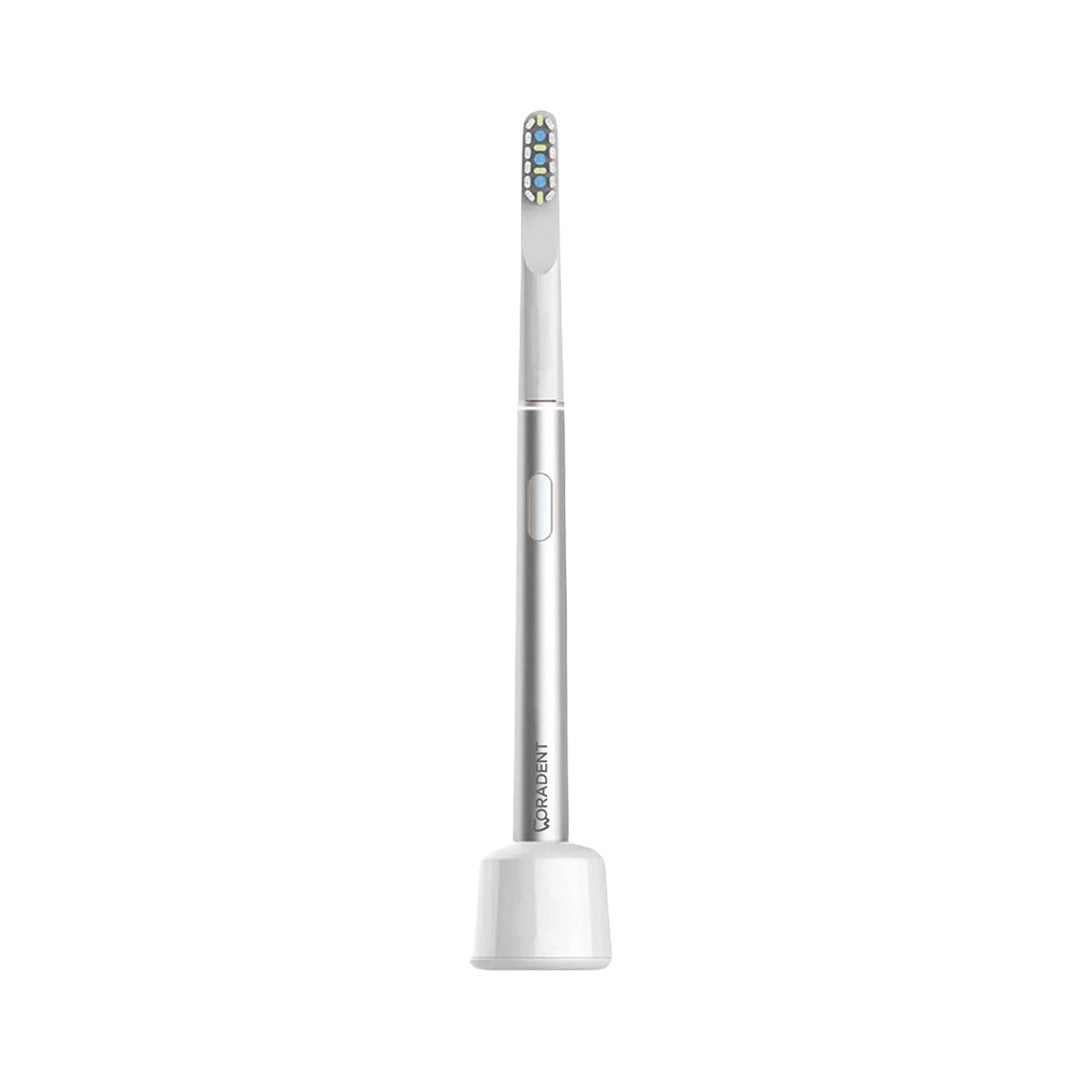
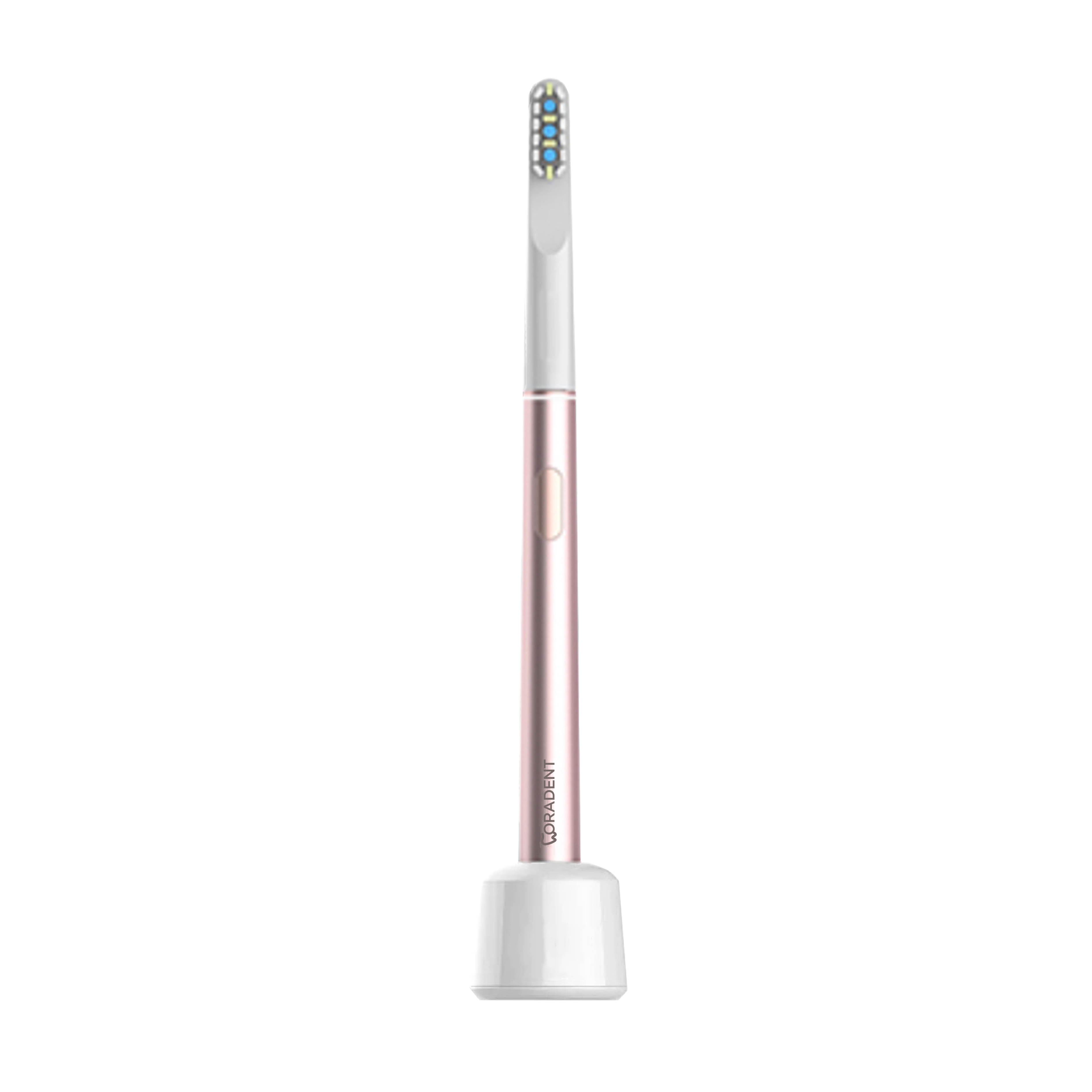
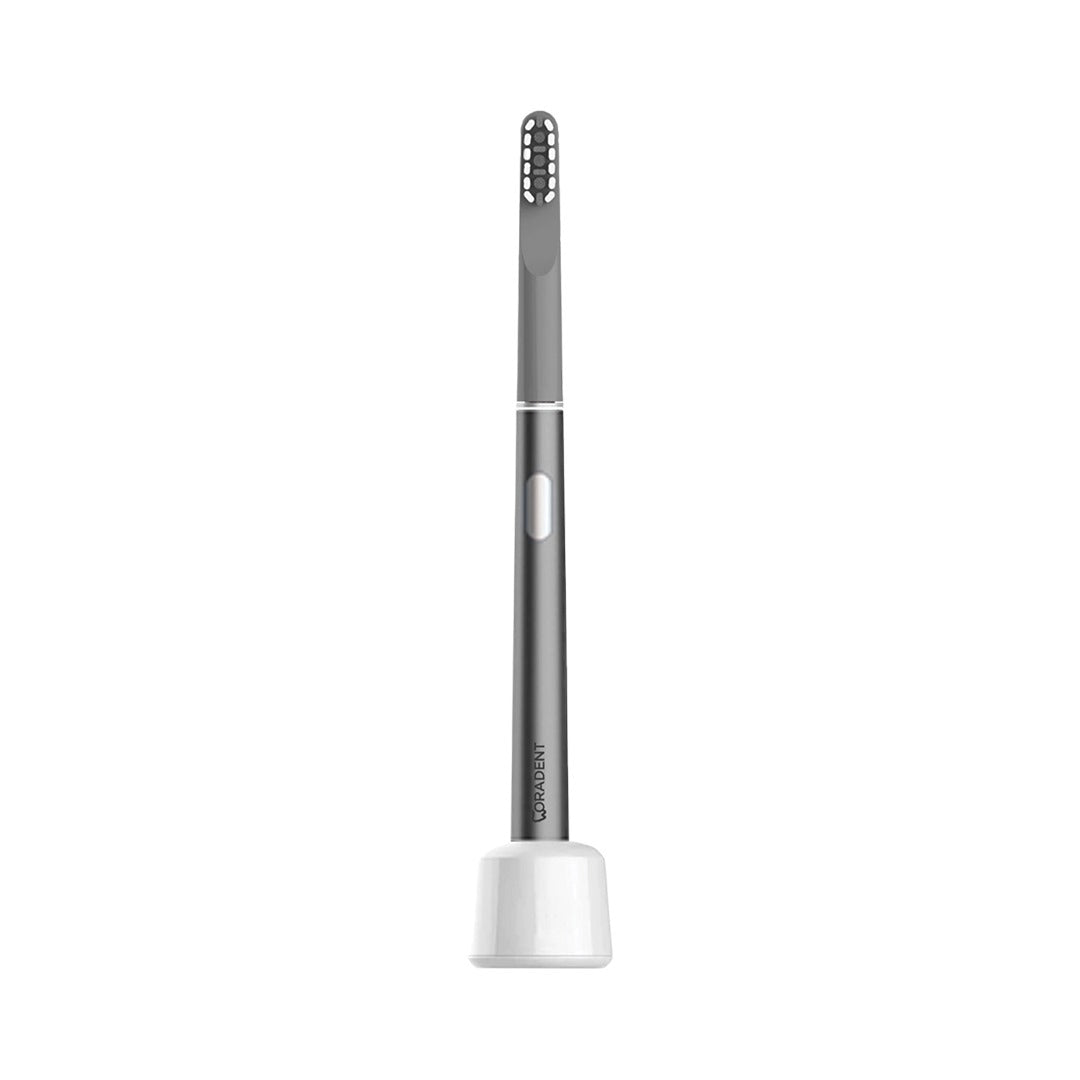
If you have sensitive teeth, the right Pro-Pulse mode can reduce brushing pain by up to 40–60% within a few weeks, according to clinical brushing studies on low-intensity sonic vibration. The key is matching vibration intensity to your enamel condition, gum health, and daily habits not using the strongest setting by default.
“Gentler vibration with controlled pulses helps clean effectively without worsening dentin sensitivity,” notes the Australian Dental Association.
At a Glance: Pro-Pulse Mode Selection Guide
|
Sensitivity Level |
Recommended Mode |
Best For |
|
High sensitivity |
Sensitive Mode |
Daily Sensitive Teeth Care |
|
Mild sensitivity |
Gentle Clean |
Enamel-safe maintenance |
|
Gum recession |
Gum Care Mode |
Gumline protection |
|
Whitening focus |
Avoid initially |
Can damage enamel |
Why Do Sensitive Teeth React So Strongly to Brushing?
Sensitive teeth usually mean your enamel has thinned or your gums have receded, exposing dentin. Dentin contains tiny tubules that send signals straight to the nerve.
When brushing is too aggressive:
-
Those tubules stay exposed
-
Sensitivity increases
-
Enamel erosion speeds up
That’s why choosing the right Pro-Pulse mode isn’t optional, it's essential to Protect Tooth Enamel long-term.
What Is Pro-Pulse Technology and How Does It Help?
Pro-Pulse technology uses controlled sonic pulses, not harsh scrubbing, to break down plaque. Instead of pressure, it relies on movement frequency and rhythm.
This matters because:
-
Pressure damages enamel
-
Controlled vibration cleans without abrasion
-
Pulse patterns reduce gum irritation
That’s exactly what people looking for the Best Sensitive Toothbrush need.
Which Pro-Pulse Mode Is Best for Sensitive Teeth?
Sensitive Mode: The Safest Starting Point
This mode is designed specifically for people dealing with daily discomfort.
Why it works:
-
Lowest vibration intensity
-
Even, predictable pulse rhythm
-
Minimal enamel stress
If your teeth react to cold drinks or brushing pressure, this should be your default Sensitive Teeth Care mode.
Gentle Clean Mode: For Mild Sensitivity
Once your sensitivity improves, Gentle Clean offers deeper plaque removal while staying enamel-friendly.
Best for:
-
People transitioning from manual brushing
-
Light plaque buildup
-
Daily maintenance without pain
This mode supports enamel preservation while improving cleanliness.
Gum Care Mode: When Gums Are the Real Issue
If sensitivity feels strongest near the gumline, the problem may be gum recession rather than enamel alone.
Gum Care Mode:
-
Uses rhythmic pulses to stimulate blood flow
-
Reduces inflammation
-
Supports gum reattachment over time
Healthier gums naturally shield exposed dentin.
Which Modes Should You Avoid?
High-intensity modes designed for whitening or deep cleaning often increase vibration strength.
Avoid these if:
-
You feel pain during brushing
-
You’re trying to Protect Tooth Enamel
-
Your dentist has warned against abrasion
Comfort should always come before cosmetic results.
How to Choose the Right Pro-Pulse Mode (Step-by-Step)
-
Start with Sensitive Mode for at least 14 days
-
Use light pressure let the brush work
-
Monitor discomfort after brushing
-
If pain reduces, test Gentle Clean
-
Return to Sensitive Mode if discomfort returns
Simple rule: No pain means you’re doing it right.
Brushing Technique Matters More Than You Think
Even the correct Pro-Pulse mode won’t help if technique is off.
Follow these basics:
-
Hold the brush at a 45-degree angle
-
Use zero scrubbing motion
-
Spend 2 seconds per tooth surface
-
Brush for 2 minutes only
Brushing longer or harder doesn’t clean better, it just irritates nerves.
Pro-Pulse Mode vs Manual Brushing (Comparison)
|
Feature |
Pro-Pulse (Sensitive Mode) |
Manual Brush |
|
Pressure control |
Automatic |
User-dependent |
|
Enamel safety |
High |
Medium–Low |
|
Gum irritation |
Minimal |
Common |
|
Plaque removal |
Consistent |
Inconsistent |
This is why electric options dominate recommendations for the Best Sensitive Toothbrush today.
Buying Checklist: Is Pro-Pulse Right for You?
Before committing, ask yourself:
-
Do I experience pain while brushing?
-
Have I been told my enamel is thinning?
-
Do my gums bleed or feel sore?
-
Do I want better plaque control without pressure?
If you answered yes to any of these, Pro-Pulse is worth serious consideration.
How Long Until Sensitivity Improves?
Most users notice reduced discomfort within 2–4 weeks when using the correct Pro-Pulse mode consistently. Enamel doesn’t regenerate, but inflammation and nerve irritation can calm down significantly.
Pair brushing with:
-
Sensitivity toothpaste
-
Soft brush heads
-
Avoid brushing right after acidic foods
Common Mistakes That Worsen Sensitivity
-
Using whitening toothpaste daily
-
Pressing harder to “feel clean”
-
Ignoring early gum recession
-
Brushing immediately after citrus or soda
Fixing these habits is just as important as choosing the right mode.
FAQ: Pro-Pulse & Sensitive Teeth
Can I use Pro-Pulse twice a day with sensitive teeth?
Yes, as long as you stick to Sensitive or Gentle Clean mode.
Will Pro-Pulse repair enamel?
No toothbrush can rebuild enamel, but it helps protect tooth enamel from further damage.
Is Pro-Pulse dentist-approved?
Yes. Sonic pulse technology is widely recommended by dental professionals for sensitivity management.
Final Thoughts: Comfort Is Your Best Signal
Sensitive teeth aren’t a weakness they’re feedback. Choosing the right Pro-Pulse mode from Oradent means listening to that feedback and adjusting your routine instead of fighting through pain.
When brushing feels comfortable, consistency improves. And consistency is what keeps your smile healthy long-term.
If you’re serious about Sensitive Teeth Care, enamel protection, and finding the Best Sensitive Toothbrush, the right Pro-Pulse mode is where it all starts.