If you have only ever used a manual brush, the best electric toothbrush for beginners is not the one with the longest feature list. It is one that is simple to use, comfortable while you get used to the feeling, and easy to keep charged and clean.
Here is what matters in a first electric toothbrush, what you can safely skip, and how to make your first week feel natural.
What a first electric toothbrush should do well
A good first brush makes the basics easy. Look for these:
- A two minute timer with quarter prompts. It is easy to stop early without realising. A timer that buzzes every 30 seconds tells you when to move to the next quarter of your mouth, so every area gets the same attention.
- A gentle mode. The vibration can feel strong at first. A sensitive setting lets you ease in, then step up when you are ready.
- Simple controls. One button and a clear way to see which mode you are in. You should not need instructions every morning.
- Battery life that lasts. A brush that needs charging every few days is easy to find flat. Longer battery life means fewer interruptions to your routine.
- Easy, fairly priced replacement heads. Heads need replacing about every three months, so check the ongoing cost before you buy.
- Water resistance. A brush you can rinse under the tap without worrying is simply easier to live with.
Features you can skip as a beginner
Many popular electric toothbrushes come with phone connectivity, long lists of modes and extra charging accessories. None of these are essential for a good clean. Three well chosen modes cover sensitive days, everyday brushing and a polishing finish.
What actually improves your brushing is technique and consistency: a light touch, two full minutes, and twice a day. A brush that makes those easy is worth more than one that offers extra settings you will never use. If you want to compare options side by side, our compare page sets out the differences clearly.
Getting through your first week
- Start in the gentlest mode. Give your mouth a few days to adjust before trying a stronger setting.
- Switch on inside your mouth. Place the head against your teeth before you press the button to avoid splashes.
- Angle towards the gumline. Tilt the bristles slightly towards where teeth meet gums, hold lightly and guide the brush slowly from tooth to tooth.
- Do not scrub. The brush does the movement. Your job is to place it and move it along.
- Follow the timer. Move to the next quarter of your mouth each time it buzzes.
- Rinse and store upright. Rinse the head after use and let it air dry.
A tingling feeling in the first few days is common. If anything feels sore or keeps bleeding, ease off and check with your dentist. Our guide on how to brush with a sonic toothbrush goes into technique in more detail.
Why we suggest PulseONE for first timers
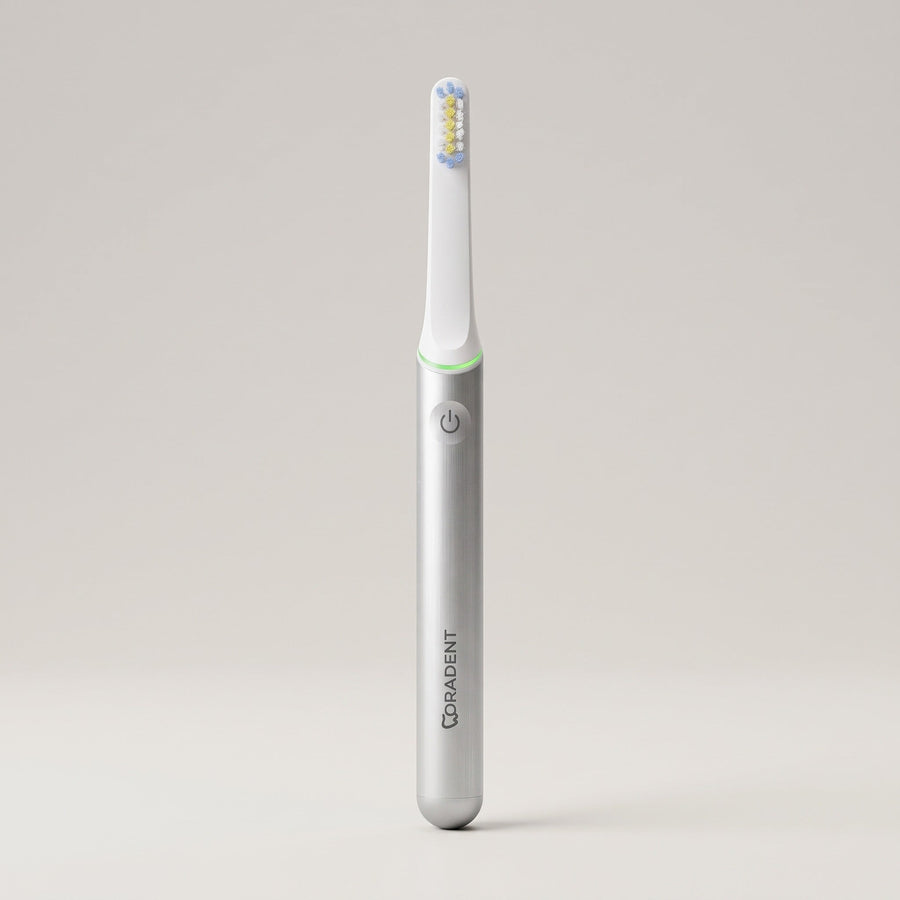
PulseONE is built around the basics. SmartSense Brushing technology runs a two minute timer with a short buzz every 30 seconds. There are three modes, Sensitive, Deep Clean and Polishing, and a light ring shows which one you are in. Most beginners start in Sensitive with the Gentle Touch head, then move to Deep Clean with the Precision Clean head once they are used to it.
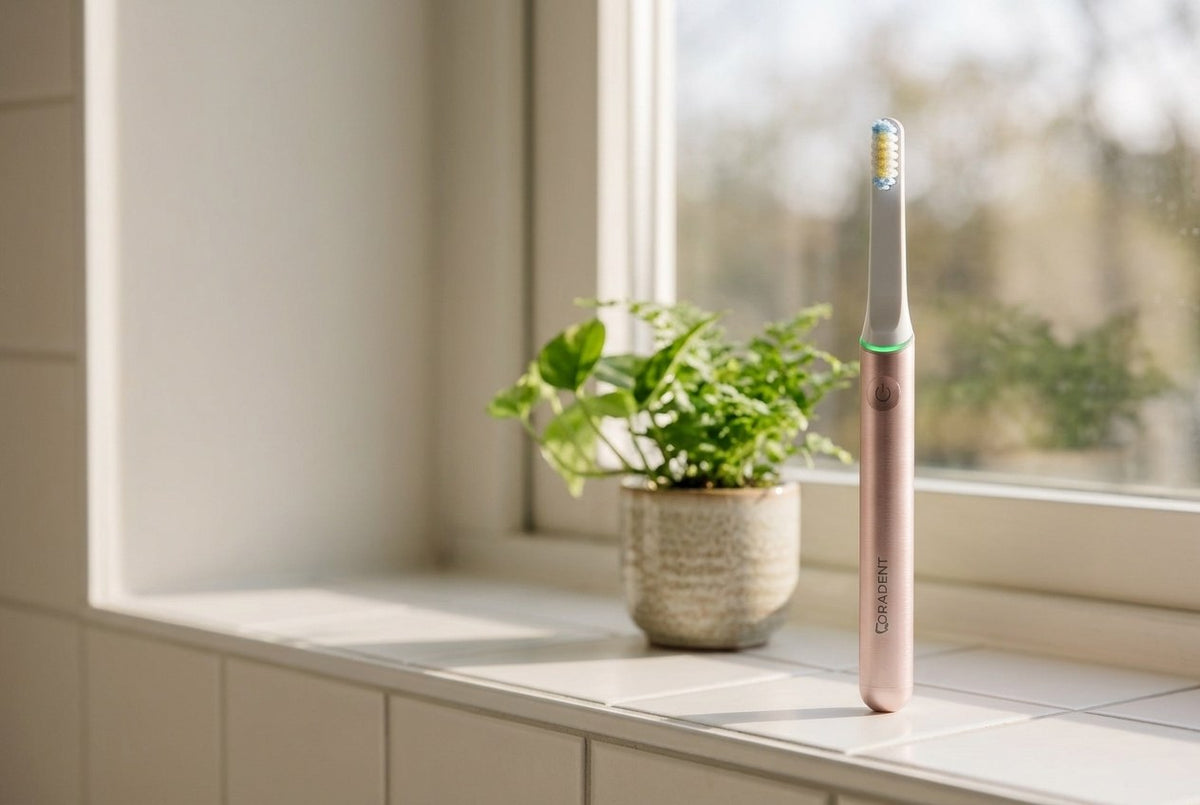
Charging is simple: 45 days on one charge, approximately six weeks, from any USB-C cable, with no charging base to find space for. It is IPX7 water resistant, the USB-C port is sealed under a cap, and the touch sensitive button will not switch on in a bag while you are travelling. The 71 g brushed aluminium body comes in Platinum, Rose and Graphite, and PulseONE is A$228.
If you were looking at Pro-Pulse
Pro-Pulse is our previous model and is still available while stock lasts. It is a sonic brush with three modes, up to 30 days of battery, USB magnetic base charging and IPX7 water resistance. PulseONE moves on with 45 days of battery, USB-C charging with no base, an aluminium body, the Oradent WallMount and SmartSense pacing. Pro-Pulse heads fit Pro-Pulse only and do not fit PulseONE.
Questions
Is an electric toothbrush hard to get used to?
Most people settle in within a few days. Starting in a gentle mode and letting the brush do the work, rather than scrubbing, makes the change much easier.
Can beginners with sensitive teeth use an electric toothbrush?
Yes. Choose a sensitive mode and a gentle head, and keep a light touch. If sensitivity carries on or gets worse, see your dentist to find the cause.
Can I use an electric toothbrush with braces?
Many people with braces use an electric toothbrush. Take your time around brackets and wires, and ask your orthodontist about the best routine for your treatment.
How often should I replace the brush head?
About every three months, or sooner if the bristles splay. PulseONE Heads come in a 2-pack for A$29, or the Head Plan can send fresh heads on a schedule.
Start simple with PulseONE
If you want an electric toothbrush that keeps the first step easy, PulseONE gives you pacing, gentle modes and six weeks of battery in one 71 g body. Use it every day for 7 days, and if you are not happy, our 7 day smile guarantee gives you a full refund and we pay the return.