A healthy teeth brushing routine is not complicated, but it is easy to let slip. Most of us know the basics and still rush the morning brush, skip the evening one or scrub far too hard. This guide covers what a good routine looks like, morning and night, and the small habits that make it stick.
What a healthy teeth brushing routine includes
The foundations are well established and have not changed much in decades:
- Brush twice a day, once in the morning and once before bed.
- Brush for two minutes, giving every part of your mouth a fair share.
- Use a fluoride toothpaste. A pea-sized amount is plenty for adults.
- Clean between your teeth once a day with floss or interdental brushes.
- Replace your brush or brush head about every three months.
- See your dentist for regular check-ups.
Everything else in this article is about doing those things well, and doing them consistently.
Your morning routine
Morning brushing clears the plaque that builds up overnight and leaves your mouth feeling fresh for the day. Many people find it easiest to brush before breakfast, then simply rinse with water after eating.
If you prefer to brush after breakfast, give your mouth a little time after acidic foods and drinks such as citrus or juice, as enamel is softer straight after acid.
Keep the morning brush simple: same place, same time, same order. Linking it to something you already do, such as putting the kettle on, makes it much harder to forget.
Your night routine
The night brush matters most. Saliva flow drops while you sleep, so food and plaque left behind have hours to sit on your teeth. Make brushing the last thing you do before bed, after any snacks or drinks other than water.
Night is also a good time to clean between your teeth. Floss or interdental brushes reach the gaps a toothbrush cannot, which is where plaque often hides along the gumline.
After brushing, spit out the excess toothpaste rather than rinsing with lots of water. Leaving a little fluoride on your teeth is widely advised.
How to brush well in two minutes
Technique matters more than force. A few habits make the biggest difference:
- Angle the bristles towards the gumline, at roughly 45 degrees, so you clean where tooth meets gum.
- Go gently. Pressing harder does not clean better and can make gums sore over time.
- Work in quarters. Split your mouth into upper right, upper left, lower right and lower left, and spend about 30 seconds on each.
- Cover every surface: outside, inside and the chewing surfaces, including the back teeth.
- Finish with your tongue if you like, for fresher breath.
With an electric toothbrush, the approach changes slightly. Rather than scrubbing, you guide the head slowly from tooth to tooth and let the brush do the work. Our guide to brushing with a sonic toothbrush walks through it step by step.
Habits that make the routine stick
Knowing what to do is the easy part. Doing it every day, including on tired nights, is where most routines fall over. These help:
- Use a timer. Two minutes feels longer than it is. A brush with a built-in timer removes the guesswork.
- Keep everything in one place. Brush, toothpaste and floss within reach means fewer excuses.
- Pack a travel kit. Routines often break on weekends away and work trips, so keep a spare toothpaste and a case ready to go.
- Plan your head changes. Note the date when you change your brush head, or use a subscription so fresh heads arrive on schedule.
- Do not aim for perfect. If you miss a session, simply pick it up at the next one.
Choosing a brush that supports your routine
A manual brush used well, twice a day for two minutes, does the job. Many people find an electric toothbrush makes it easier to brush for the full time with a lighter touch, because the timer and the movement of the head do much of the work for you.
When you choose, look for a comfortable weight, a gentle option for sensitive days, a timer that paces you around your mouth, and battery life that suits how often you travel. Our guide on how to choose an electric toothbrush goes through each of these.
Questions
How many times a day should I brush my teeth?
Twice a day is the standard advice: once in the morning and once before bed. Brushing more often is not usually needed, and brushing too hard can be rough on your gums.
Should I brush before or after breakfast?
Either works, as long as you brush thoroughly. Brushing before breakfast is simple and avoids brushing straight after acidic food. If you brush afterwards, give your mouth a little time first.
Should I rinse after brushing?
It is generally recommended to spit out the excess toothpaste rather than rinse with lots of water, so some fluoride stays on your teeth. If you use a mouthwash, ask your dentist where it best fits in your routine.
How often should I replace my toothbrush head?
About every three months, or sooner if the bristles look frayed or splayed. Worn bristles do not clean as well, so it is worth keeping track of the date.
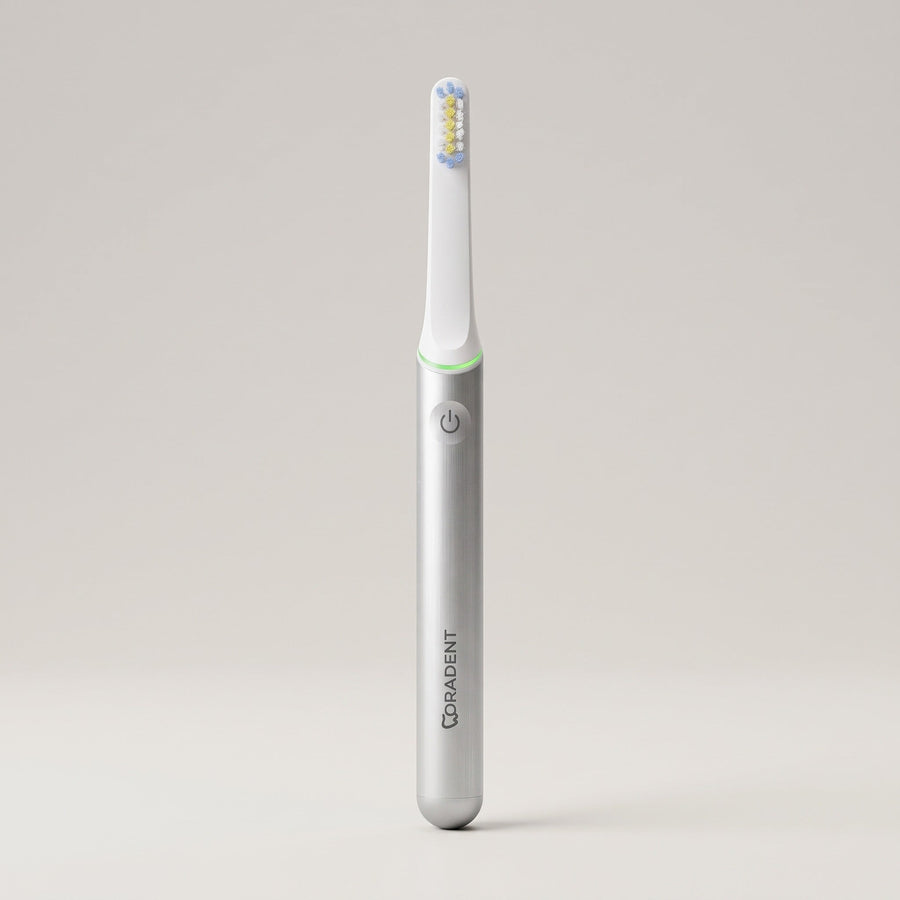
Make your routine easier with PulseONE
PulseONE is built around the routine above. SmartSense Brushing technology runs a two minute timer with a short buzz every 30 seconds, so you know when to move to the next quarter of your mouth. Three modes, Sensitive, Deep Clean and Polishing, let you go gentle when you need to. The battery lasts 45 days on one charge, approximately six weeks, from any USB-C cable, and the Head Plan sends fresh heads on a schedule so there is nothing to remember.