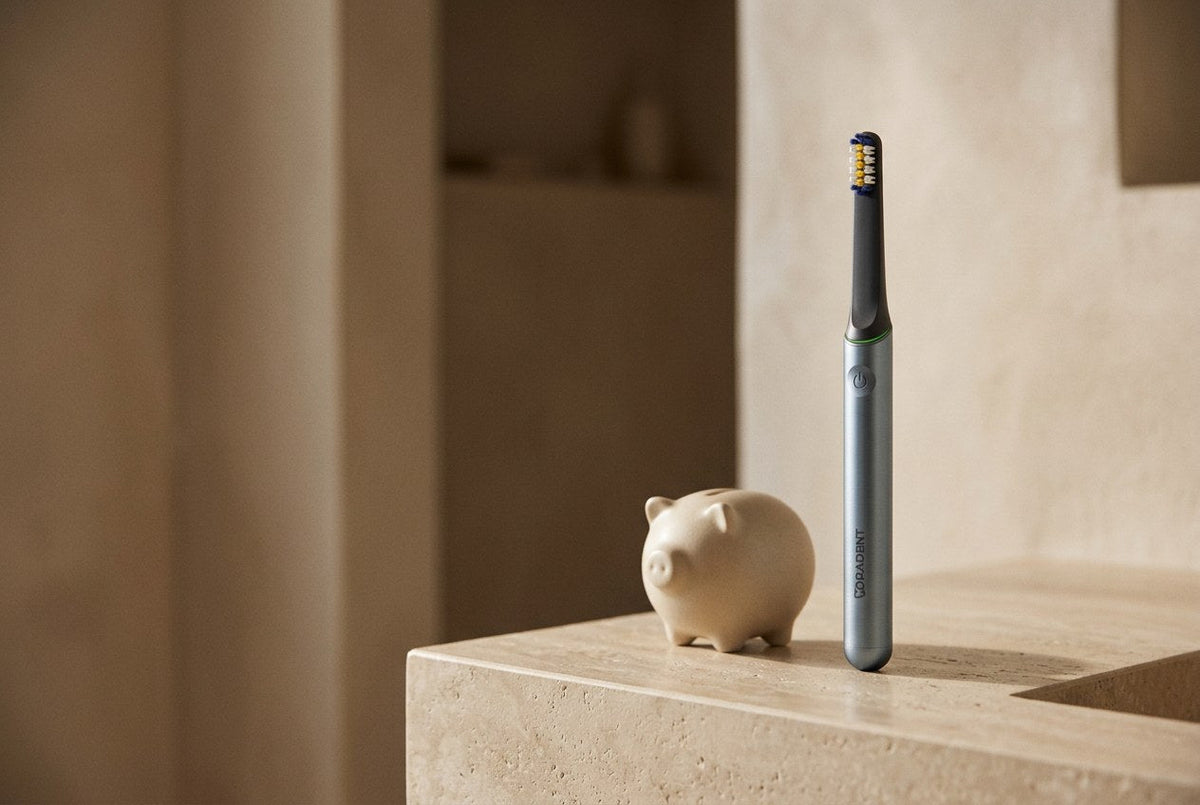
The most reliable way to reduce dental costs is not a cheaper dentist. It is keeping small problems from becoming big ones. Decay and gum problems usually start quietly, and the earlier they are caught, the simpler and less costly they tend to be to manage.
Here is how daily brushing, a few supporting habits and regular check-ups work together to keep your teeth healthy and your dental spending predictable.
Why prevention costs less than treatment
Most dental treatment becomes expensive when a problem has been left to progress. A small area of decay is usually a simpler fix than one that has reached deeper into the tooth. Early gum inflammation is usually far easier to manage than advanced gum disease.
Plaque is at the centre of both. It is a sticky film of bacteria that builds up every day. Left in place, it produces acids that weaken enamel and irritates the gums. Removing it thoroughly, twice a day, is the foundation of prevention, and it costs very little.
Daily habits that protect your teeth and your budget
- Brush twice a day for two minutes. Use fluoride toothpaste and cover every surface, paying attention to the gumline and back teeth.
- Clean between your teeth. Floss or interdental brushes reach where a toothbrush cannot. Your dentist can suggest which suits your teeth.
- Spit, do not rinse. Leaving a little fluoride toothpaste on your teeth after brushing helps protect enamel.
- Watch how often you have sugar. Frequent snacking and sipping sweet drinks gives plaque bacteria more chances to produce acid. Keep sweet foods to mealtimes where you can.
- Drink tap water. Most Australian water supplies are fluoridated, and water helps rinse away food between meals.
- Replace your brush head. Worn bristles clean less well. Swap heads about every three months, or sooner if they splay. Our guide to the signs it is time to replace your toothbrush head explains what to look for.
Regular check-ups are part of the plan
Even the best home routine misses things you cannot see, such as early decay between teeth or hardened tartar below the gumline. Regular check-ups and professional cleans catch these while they are small. Your dentist will recommend how often you should visit based on your own teeth and gums.
A few practical ways to manage the cost of check-ups:
- If you have private health extras cover, check what your policy includes for check-ups and cleans, and use it each year.
- Book your next visit before you leave, so it does not slip.
- Mention any changes early, such as bleeding gums or new sensitivity. Our article on what causes gum inflammation explains why bleeding is worth paying attention to.
Where an electric toothbrush fits
A manual toothbrush used well, for two full minutes, can do a good job. The challenge is consistency. Most of us rush, press too hard or skip areas without realising. An electric toothbrush helps by making good technique the default.
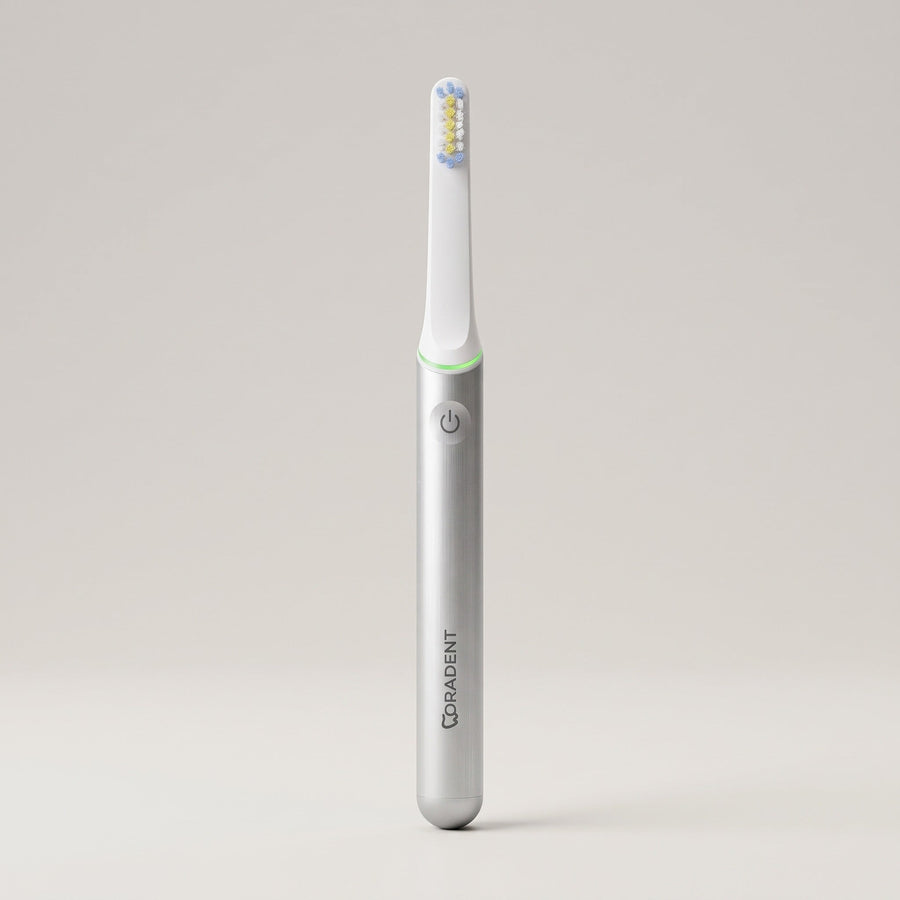
PulseONE's SmartSense Brushing technology runs a two minute timer with a short buzz every 30 seconds to move to the next quarter of your mouth. SonicSweep technology delivers 38,000 movements a minute, with the head sweeping 45 degrees side to side, so you guide the brush with a light touch rather than scrubbing.
It is worth knowing the real running cost before you buy. PulseONE is A$228, and the battery lasts 45 days on one charge, approximately six weeks, from any USB-C cable. PulseONE Heads are A$29 for a 2-pack. Replacing a head every three months means two packs a year, or A$58. The Head Plan sends fresh heads on a schedule so you do not have to remember.
No toothbrush can promise you will never need treatment. What it can do is make the daily habits that help prevent problems easier to keep.
Questions
Can brushing really help reduce dental costs?
Good daily brushing helps prevent the plaque build up behind decay and gum problems, which are among the most common reasons for dental treatment. Combined with regular check-ups, it is one of the simplest ways to keep costs down.
Is an electric toothbrush worth it to save money?
It depends on your habits. If you already brush thoroughly for two minutes, a manual brush can work well. If you tend to rush or press hard, the pacing and light touch of an electric brush can help you brush more consistently.
How often should I see the dentist?
It varies from person to person. Your dentist will recommend an interval based on your oral health, so follow their advice rather than a fixed rule.
Protect your teeth every day with PulseONE
PulseONE makes the daily part of prevention easier, with SmartSense pacing, three modes and six weeks of battery. Try it with our 7 day smile guarantee and a 12 month warranty.